 EN ROUTE TO THE CARIBBEAN · SINCE 1999

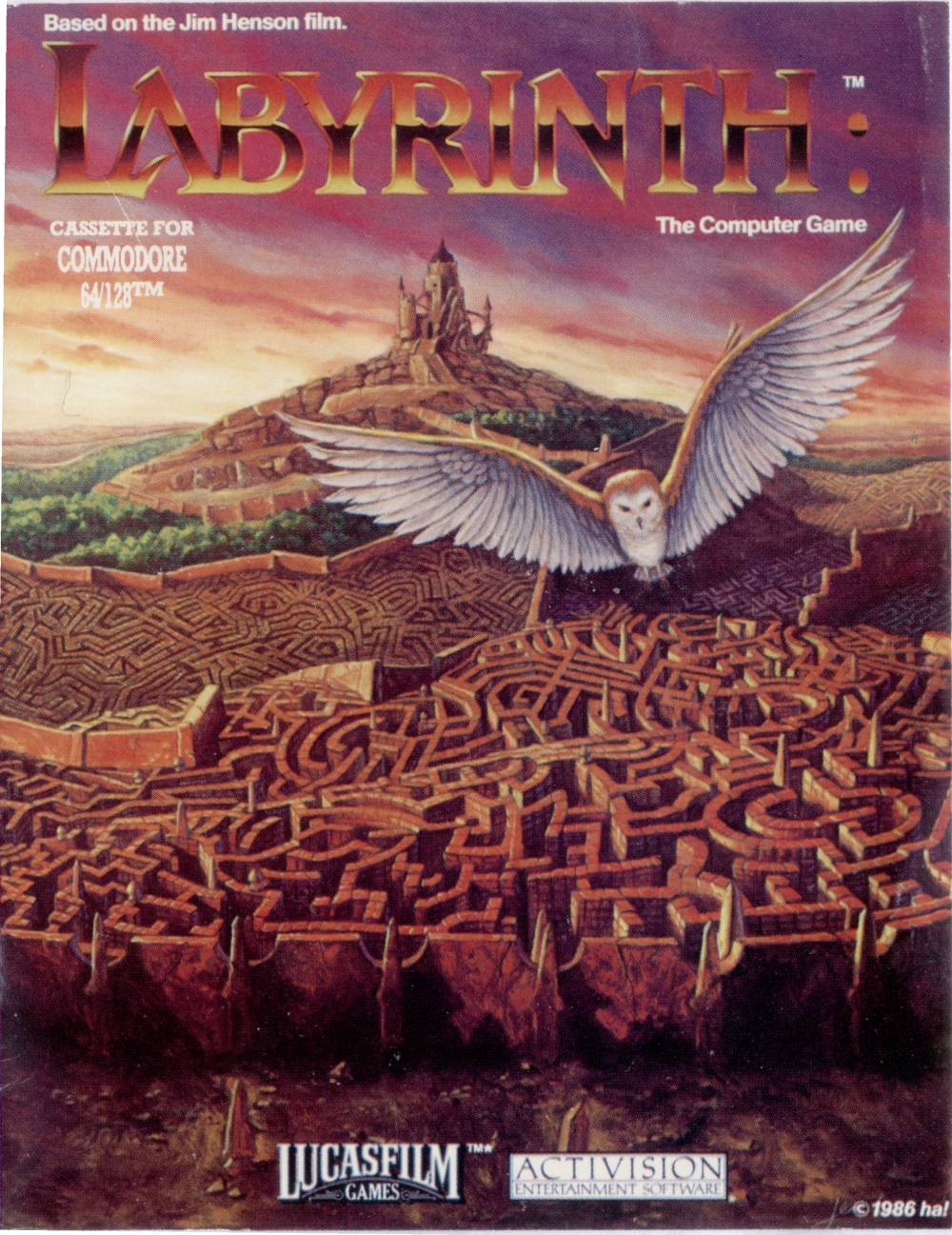
Labyrinth: The Computer Game
Before Maniac Mansion, a cinema door already led into Lucasfilm adventures: Jareth’s labyrinth, between words, pictures and puzzles.
Commodore 64 · Apple II · MSX2 · PC-88
Inside the adventure
A teenager goes to a cinema to watch Labyrinth and becomes trapped in Jareth’s world. You do not play Sarah: the game gives your own character a route into Jim Henson’s film universe. Reach the castle and break the Goblin King’s power before thirteen hours run out.
The world and its characters
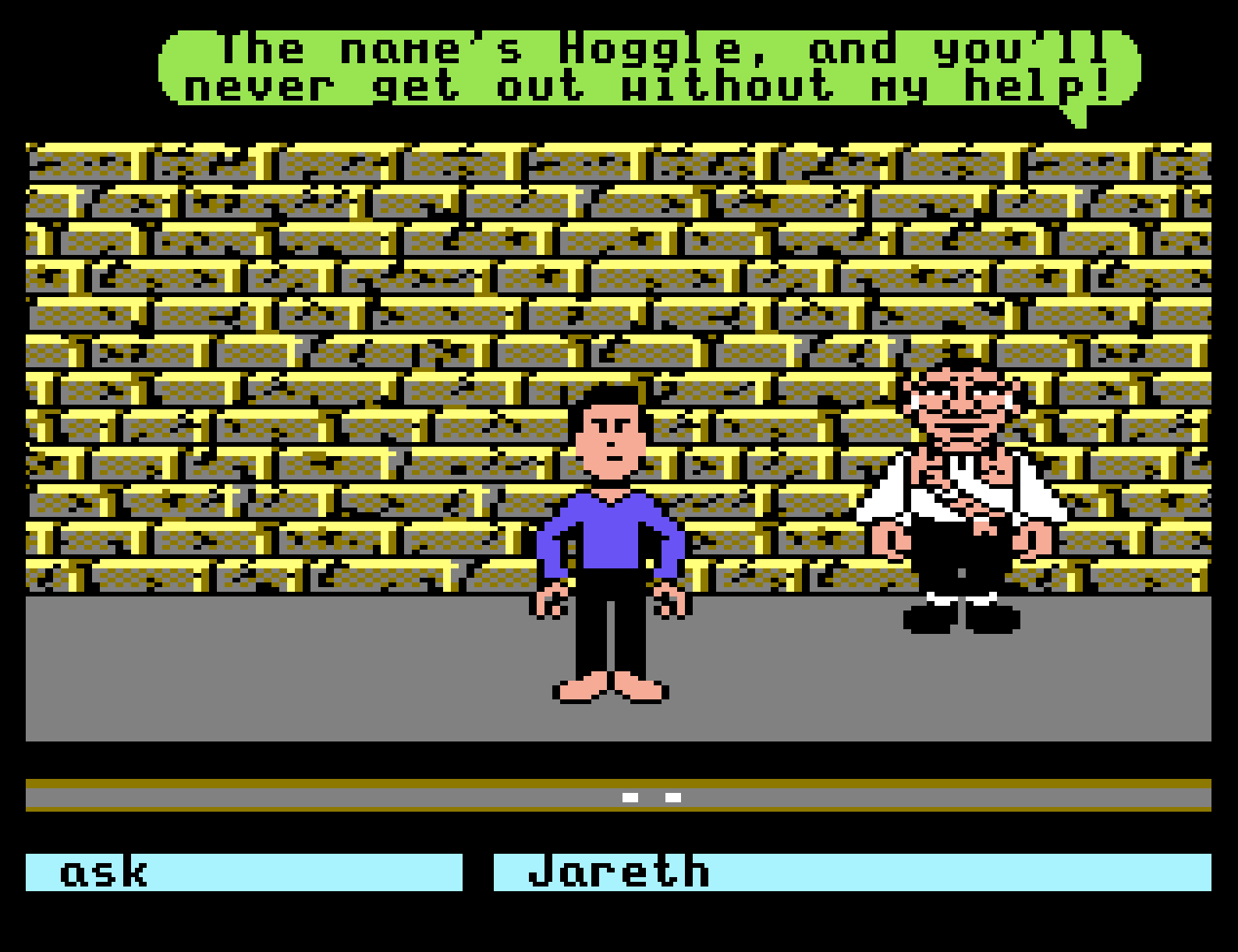
Jareth rules a kingdom of walls, misleading passages and eccentric creatures. Hoggle, Ludo and Sir Didymus connect it with the film, while the player’s own character makes the journey. Encounters are briefer than in later Lucas adventures; the maze itself is the main opponent.
The pleasure of playing
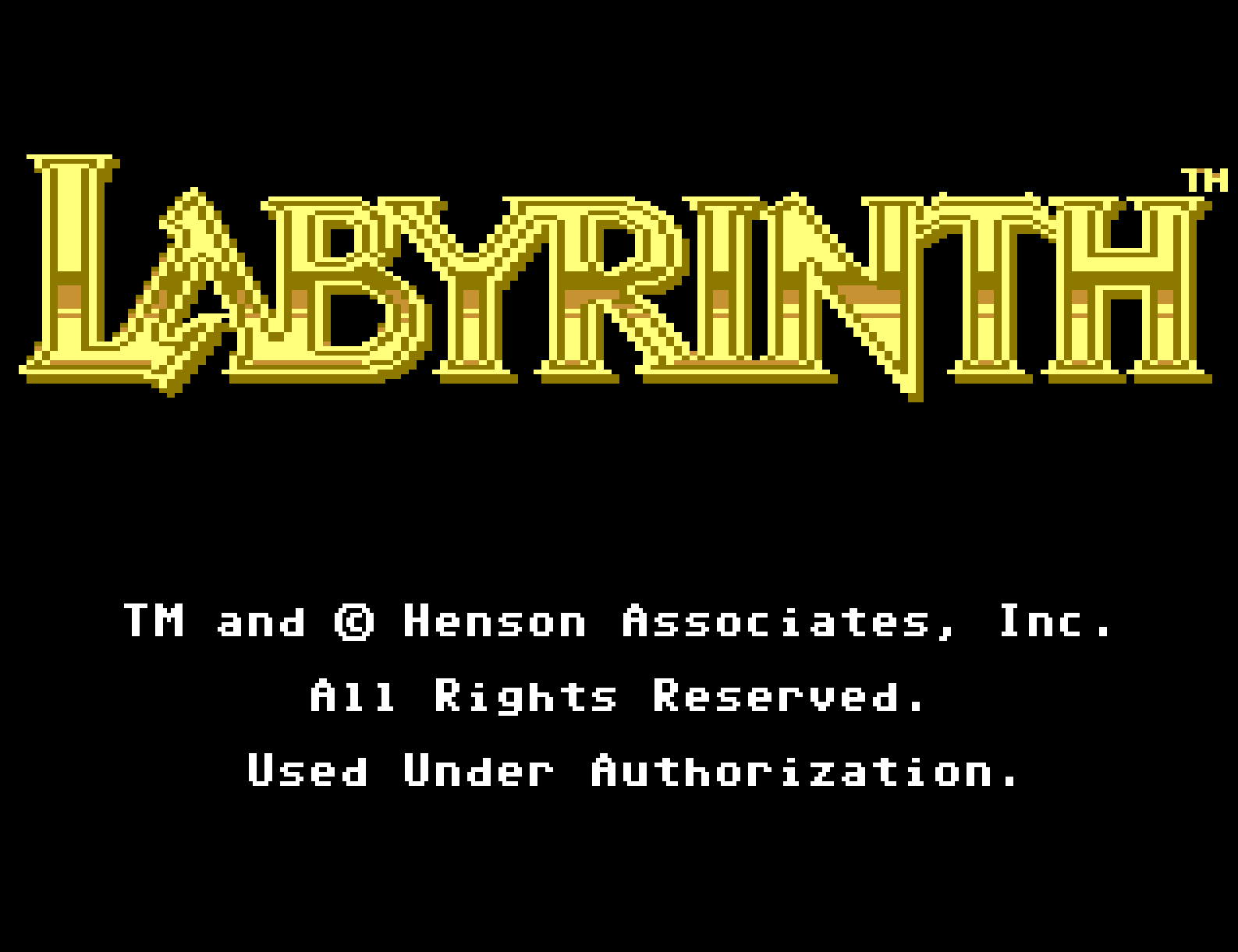
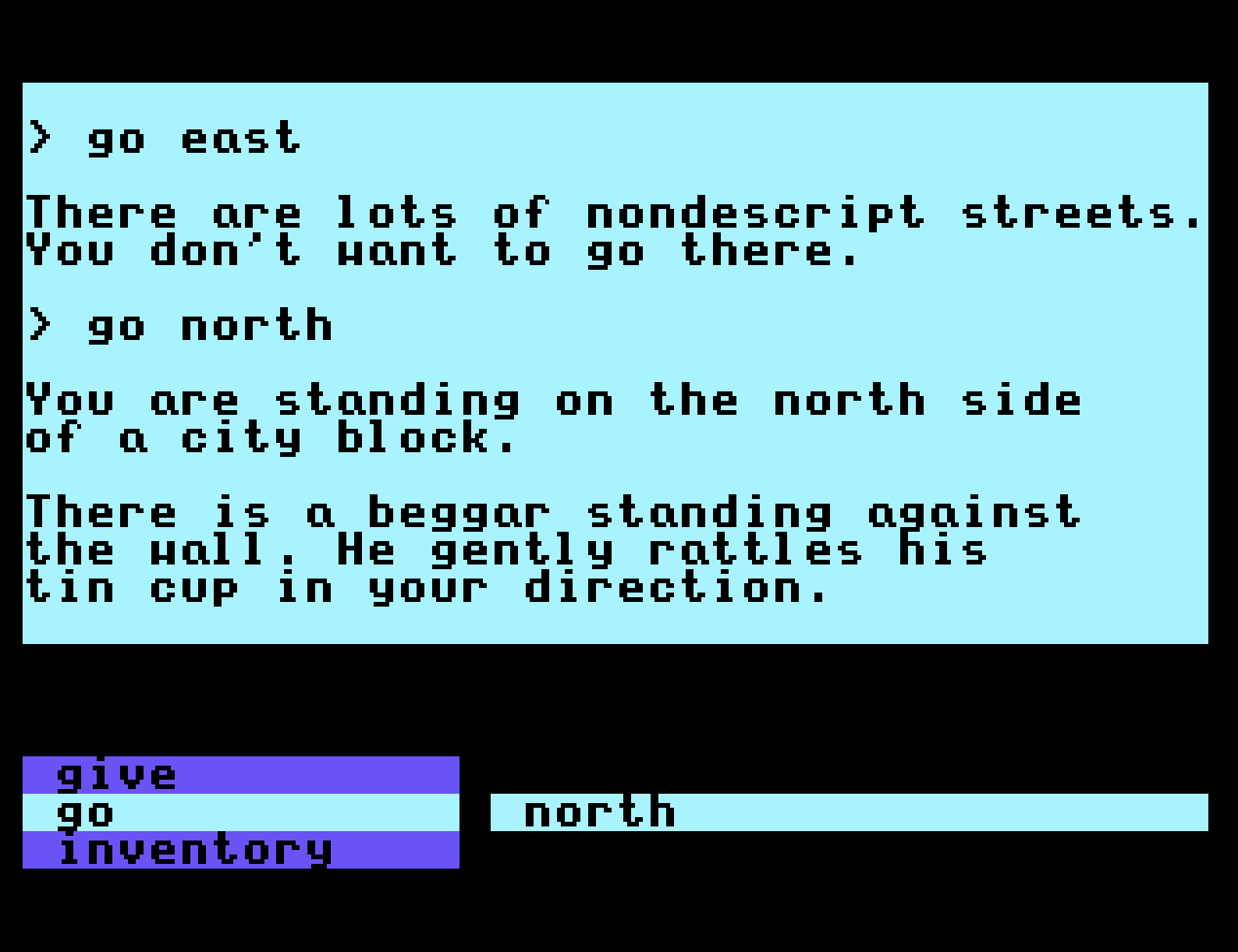
Exploration, objects and riddles mix with direct movement and hazards requiring quick reactions. This is not yet Maniac Mansion’s point-and-click system. The original editions begin with text before introducing graphics. Draw a map, take notes and keep separate saves: time and wrong turns matter.
Behind the scenes
Lucasfilm Games released its first adventure in 1986, adapting Jim Henson’s film, executive-produced by George Lucas. David Fox and Charlie Kellner were central to development; Douglas Adams contributed ideas. It predates Maniac Mansion and does not use SCUMM.
Images and memories
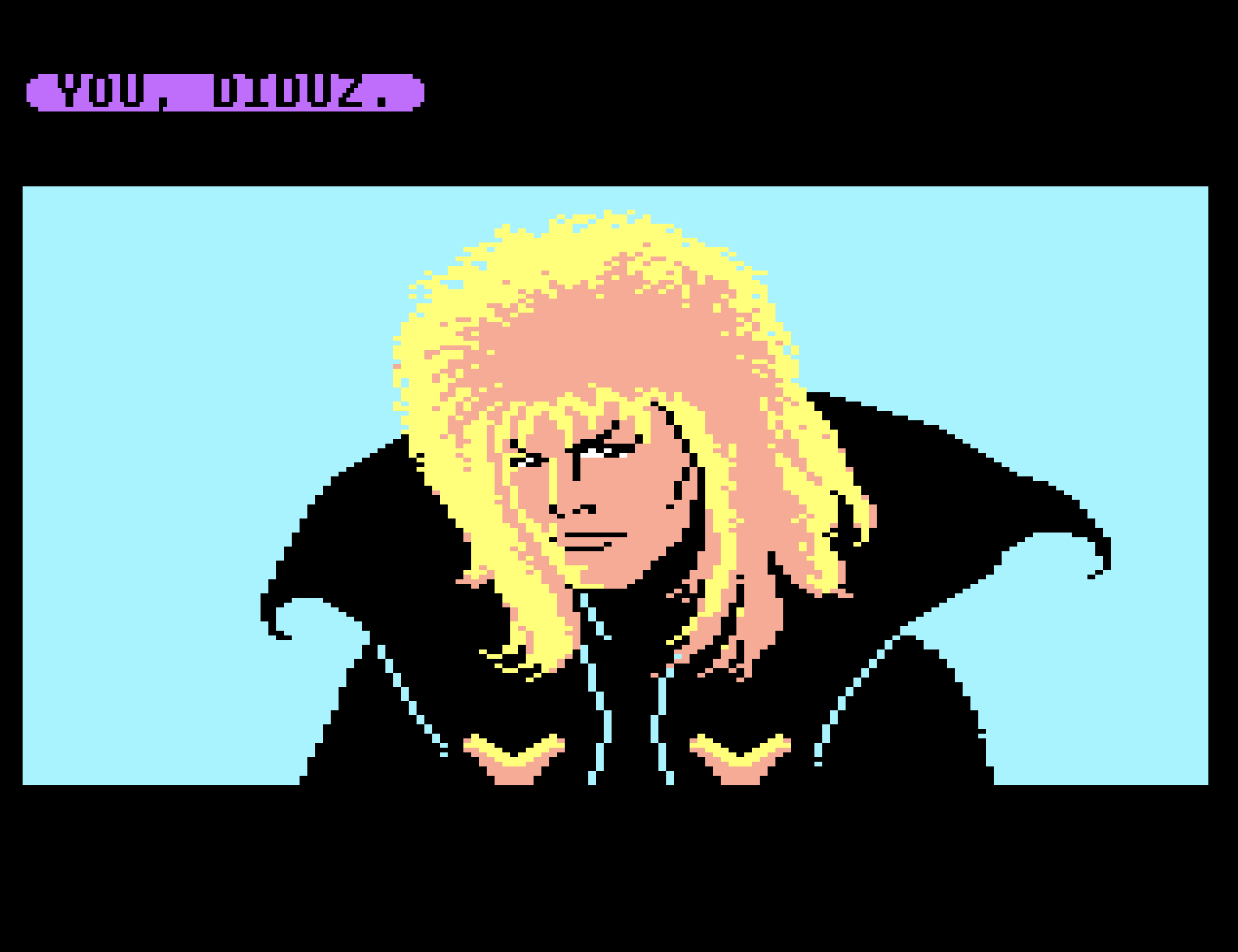
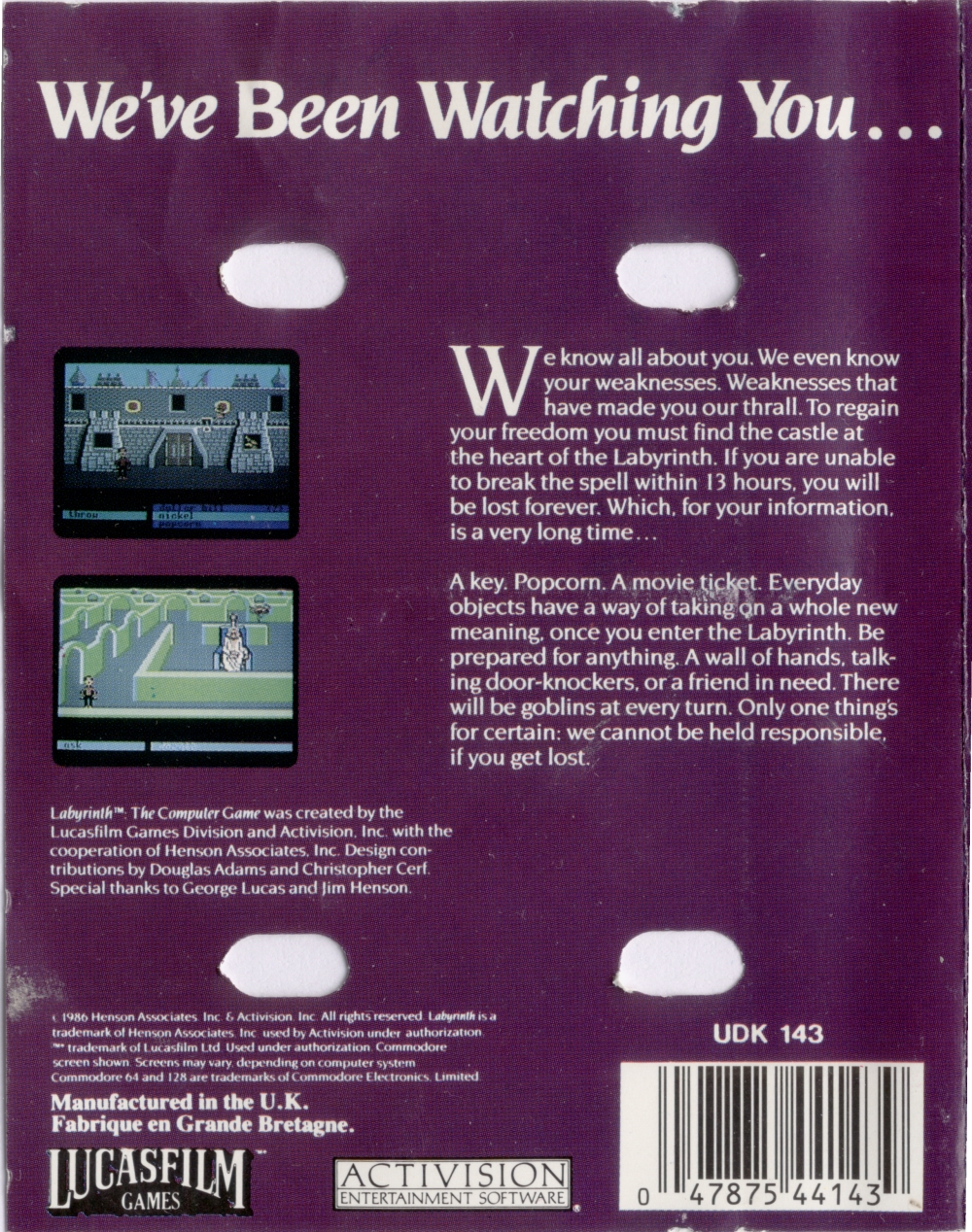
Authentic Commodore 64 screenshots and period packaging. Click to enlarge. Character portraits and gameplay scenes are initially hidden to avoid visual spoilers.
Show scenes and characters · possible spoilers
Technology and editions
The 1986 originals appeared on Commodore 64 and Apple II. The manual also covers Commodore 128 in C64 mode. Pack-In-Video released Japanese MSX2 and PC-88 conversions in 1987. Graphics, scrolling, sound and the opening differ between editions. No DOS release or official remaster is documented here.
Manual and resources
The original English Player’s Guide explains loading, movement, commands and saves. It contains hints, so read cautiously. The link opens the scan held by the Museum of Computer Adventure Game History. No unrelated saves or unverified installers are offered.
How and where to play
Use original C64 hardware or VICE with your own compatible copy. Select a C64 machine, attach the disk image to drive 8 and use autostart; check joystick port and mappings. Apple II and Japanese conversions require their own platform emulators. Do not assume ScummVM support simply because this is a Lucasfilm game. No full-game download or digital store is listed without verified availability and permission.
Music and sound
David M. Martin Jr. created the Commodore music and sound. Its SID chip accompanies selected moments; Apple II sounds different. There is no later-style talkie voice acting. We do not attach music files from unrelated games.
Creators and credits
Credits transcribed from the original manual, covering the C64 and Apple II editions.
Production manager / programmer
David Fox
Technical director / lead programmer
Charlie Kellner
Programmer
Kevin Furry
Character animation
Gary Winnick, Ken Macklin
Background art
James St. Louis, Gary Winnick
Music / Commodore sound
David M. Martin Jr.
Apple conversion
Stephen Lepisto, Charlie Kellner
Design contributions
Douglas Adams, Christopher Cerf, Noah Falstein, Stephen Arnold, Brenda Laurel
Activision producer · Commodore
Brenda Laurel
Activision producer · Apple
Cella Maria Irvine
Player’s Guide
Clovice A. Lewis Jr. · Technology Media Enterprises
Editorial management
Steven Young
Special thanks
George Lucas, Jim Henson