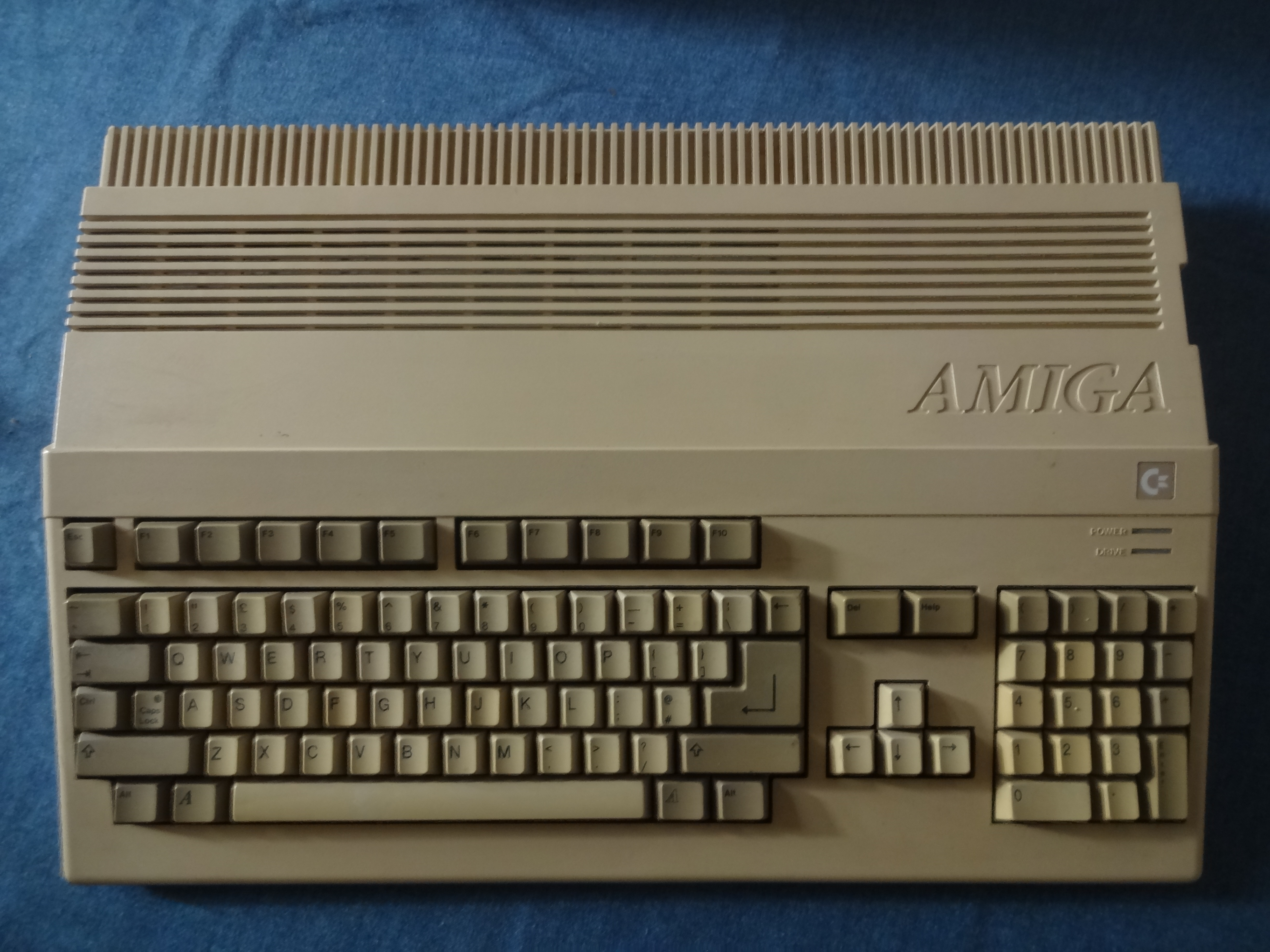
The Amiga 1000 arrived in 1985, after the project passed to Commodore. His interest doesn't end with games: graphics, sound and a system capable of handling multiple tasks open up creative possibilities in a personal computer. It is not necessary to give it absolute records to understand its strength. What counts is the meeting between dedicated components, programs and people who experiment.
The Amiga 500 brings this family into many homes; other machines seek expansion and professional uses. Commodore's crisis culminated in 1994, but the liquidation of the company did not make programs, developers and communities disappear. Reducing everything to a single cause, or to piracy alone, does not explain the complexity of the story.
Find your way around the models
Not all Amigas are the same machine. Memory, chipset, expansions and operating system may change compatibility. Even in emulation it is better to start from the model for which a certain edition is foreseen, instead of automatically choosing the most powerful configuration.
A2000, A3000 and A4000 represent the path of expandable machines; A600 follows the path of a compact home computer. The CDTV experiments with the meeting between computer and living room appliance. These branches belong to the family, but do not make discs, accessories and programs interchangeable.
Model
Stage
Worth remembering
Amiga 1000
1985
Family debut: computer and keyboard are separated; the project also addresses creativity and video.
Amiga 500
1987
The home computer with integrated keyboard that becomes a reference for a great season of 16-bit gaming.
Amiga 1200
1992
Integrated keyboard, AGA graphics and the possibility of an internal hard disk: a new stage in the domestic line.
Amiga CD32
1993
The CD console road, technically related to A1200. Its editions must be distinguished from those on floppy disks.
Workbench, diskettes and joysticks
The Workbench is the graphical environment from which you can organize disks, folders and programs. The Shell instead allows you to issue textual commands: two ways of using the same system, not two different computers. Many games launch directly from your disc, leaving the desktop out of the gaming experience.
The 3.5-inch floppy disk is also a physical object to be handled, labeled, and stored. Games on multiple discs may require changes along the way; a second reader or an installation provided by the program changes the ease of use. The mouse supports drawing and adventures; the joystick accompanies sports and action. The right peripheral depends on the game, not just the machine.
How those images are born
The Amiga architecture combines dedicated components with the processor. Blitter helps move and process graphic blocks; Copper can coordinate changes during screen construction. They are different tools, used by authors for effects, animations and compositions. They don't transform a game into a masterpiece by themselves: it takes the work of those who design images and code.
Palette, resolution, memory and processing time pose real limits. A convincing backdrop can arise from the choice of a few well-used colors. The AGA graphics of later models expand the possibilities, but a modern enlarged screen should not be presented as the original native image of the Amiga.
Champions, channels and music to build
Classic Audio has four channels for digital sound samples. A sample is a sound recorded or prepared for playback; notes, speed and sequence of events allow music to be constructed. The channel limit invites you to choose how to divide the space between instruments, effects and voices.
Trackers make this organization visible through rows and columns. A music module can contain samples and composition data, rather than just being a recording that you listen to from start to finish. However, not all Amiga music uses the same format: customized systems also exist. To listen to the original files you need to choose a player compatible with their type.
A laboratory beyond video games
Drawing, animating, composing music and working with video are parts of the Amiga history. Programs like Deluxe Paint put visual tools on the desktop, while trackers bring composition closer to direct experimentation. In the demoscene code, images and music become an audiovisual presentation created for the machine. A creative scene demo is not the same as a commercial demo version of a game.
In 1985 Andy Warhol experiments with the Amiga and participates in the presentation with Debbie Harry. The subsequent recovery of your files also reminds you of how fragile digital heritage is: keeping a medium does not guarantee that you will still be able to read the formats and contents. Creation and conservation are part of the same story.
Different games, the same desk
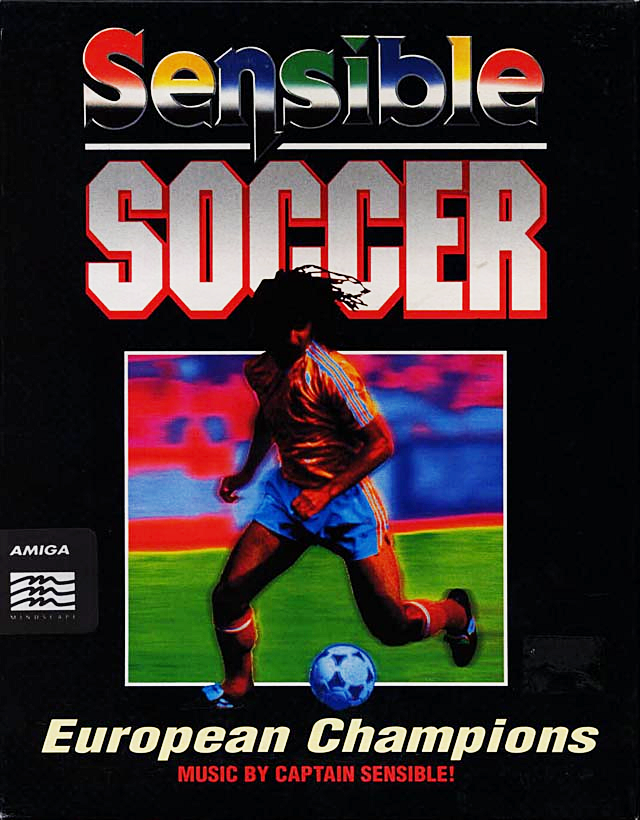
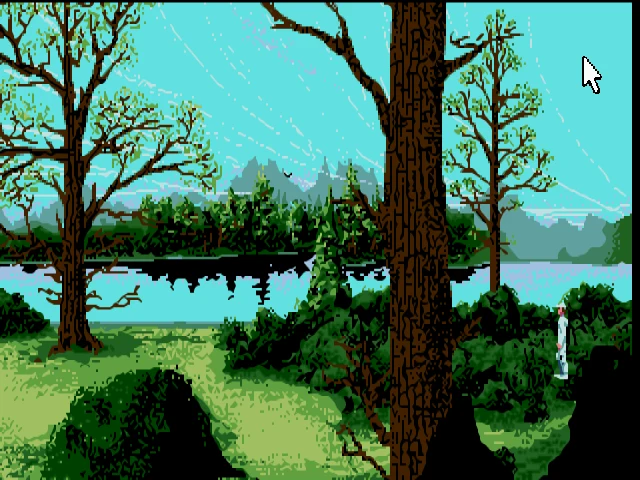
Adventure is one of the great avenues, but the Amiga is also home to racing, sports, strategy, platforming and action. This selection shows different genres and sensibilities; each screen remains linked to its own edition. The rooms of the software houses then allow you to follow authors and editorial relationships without confusing them.
AMIGA
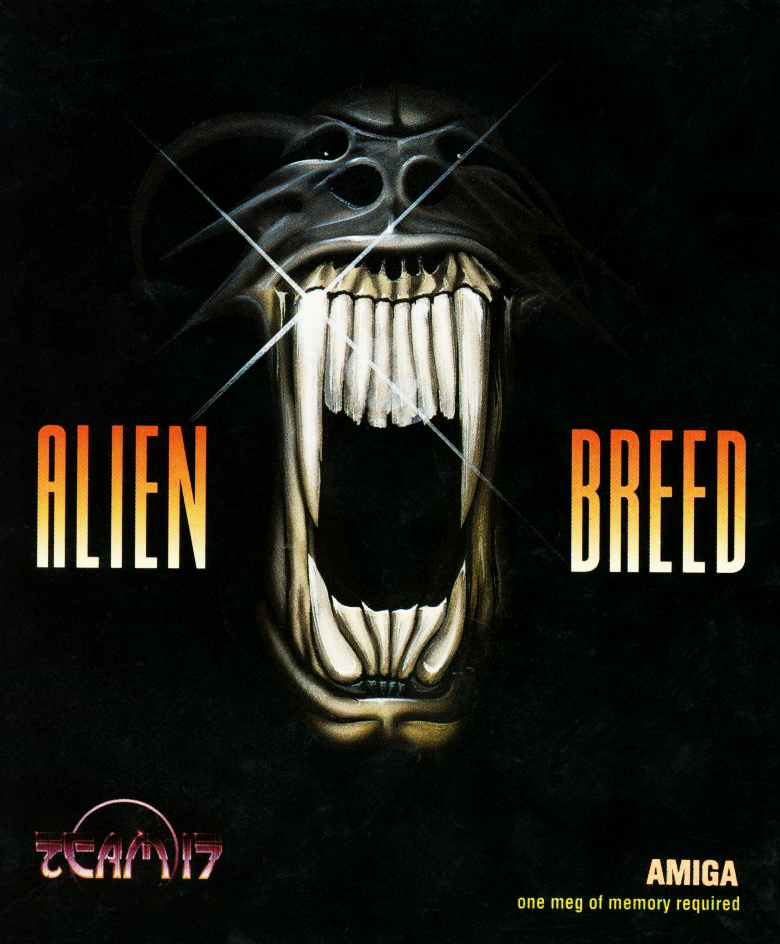
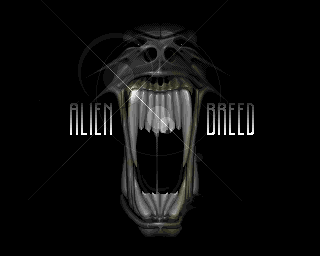
Alien Breed
A hostile base is seen from above: corridors, doors and terminals organize the exploration. Ammo and resources must be managed while searching for the next step. The combat therefore has a different weight than that of a purely scrolling shooter.
The wide view allows you to read passages and spaces. The compact control system rewards direction, timing and action construction. The small size of the players is a functional choice: it frees up the screen and helps to understand the layout of the teams.
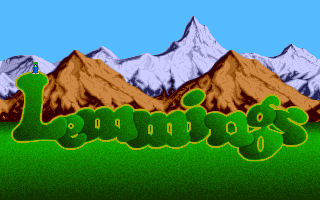
The creatures advance without stopping and must be led to the exit by assigning limited abilities. The puzzle is to change the path and synchronize the actions. It is a work by DMA Design published by Psygnosis: this distinction preserves the role of the authors.
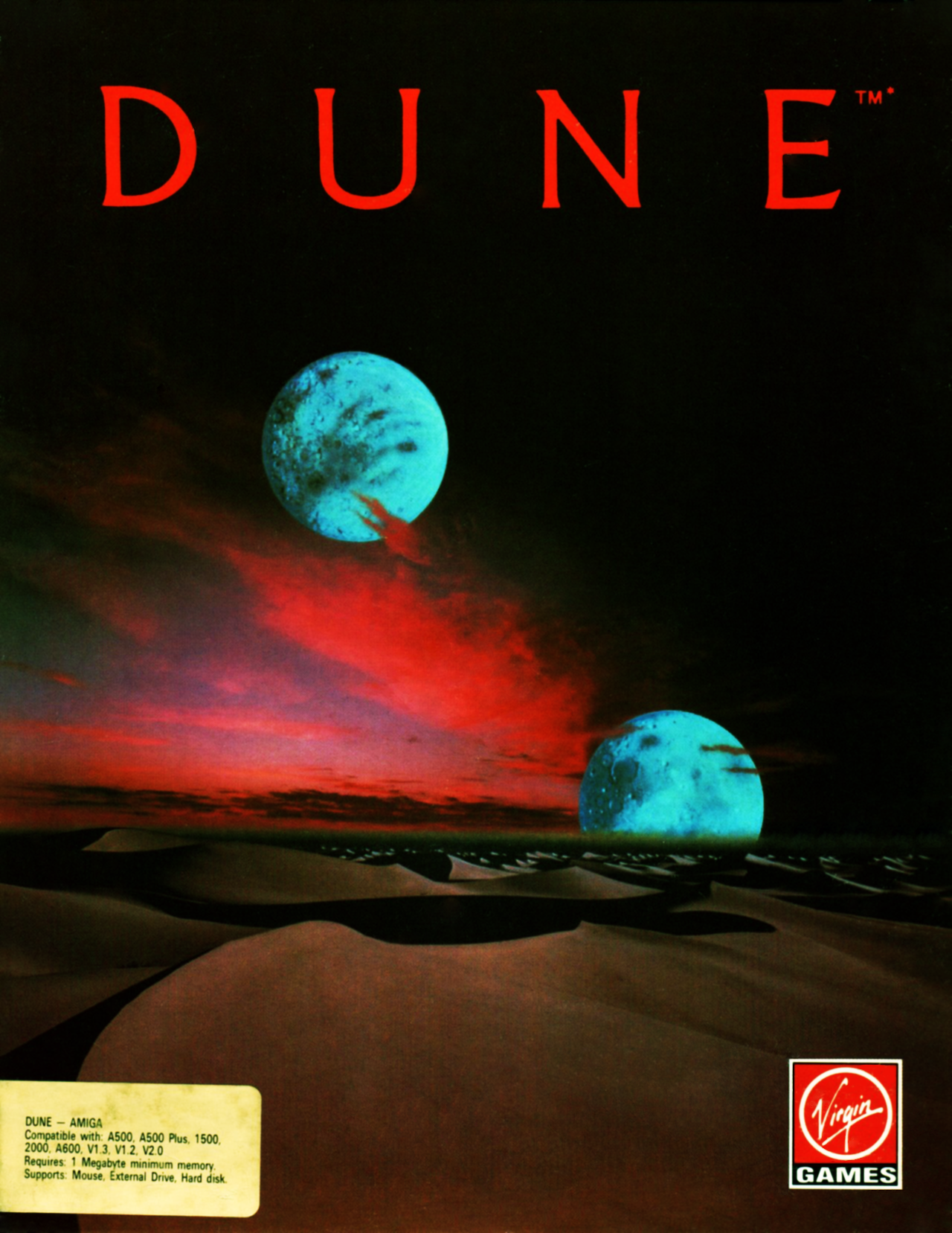
The search for alliances is intertwined with the management of the spice and the territory. Conversations, shifts, and organizational decisions move the story forward. It's a distinct experience from Dune II: sharing the universe doesn't mean sharing the same way of playing.
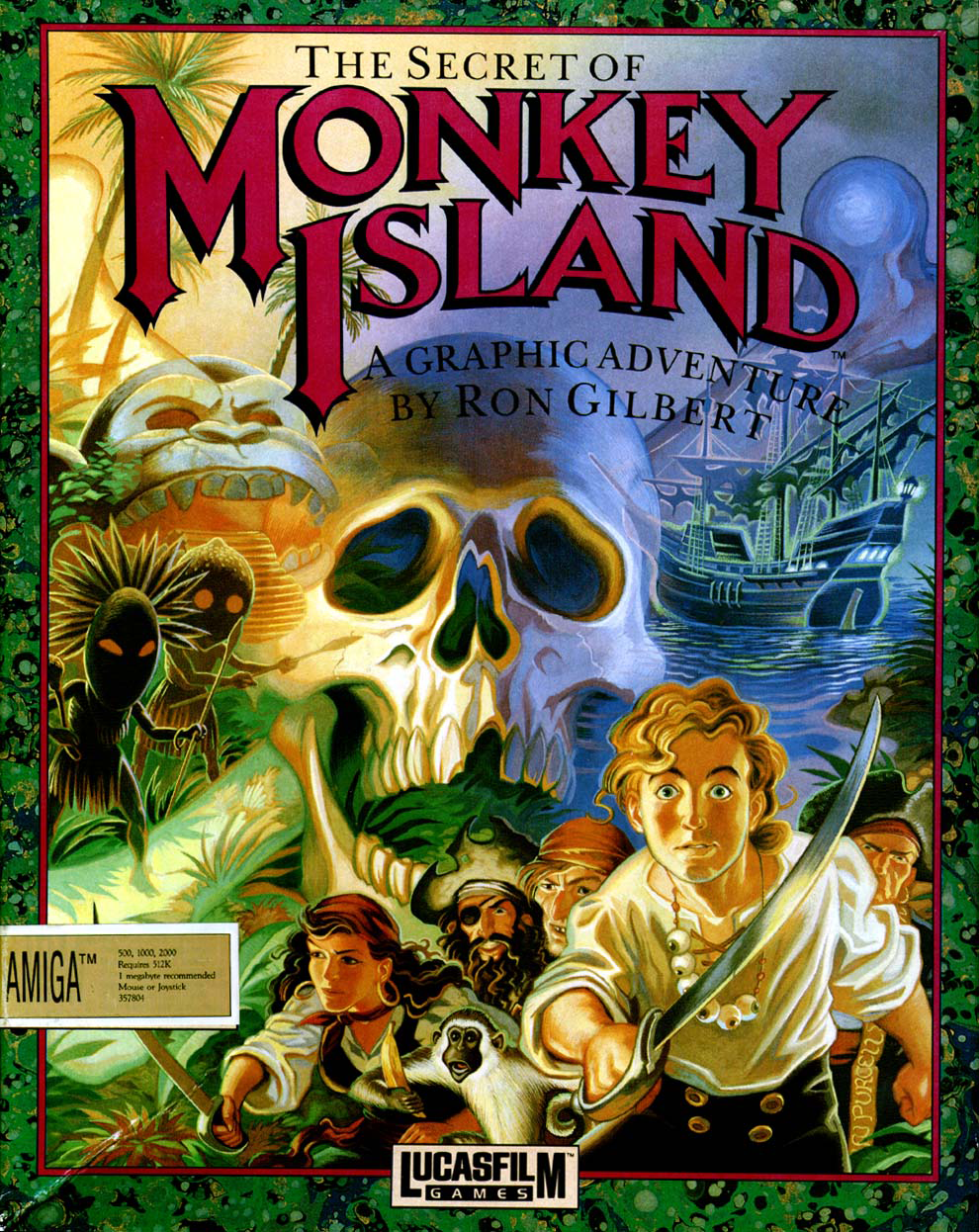
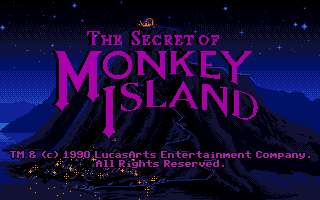
Guybrush wants to become a pirate: exploration, dialogue and objects shape a Caribbean adventure. The Amiga version belongs to the original releases, distinct from the Special Edition.
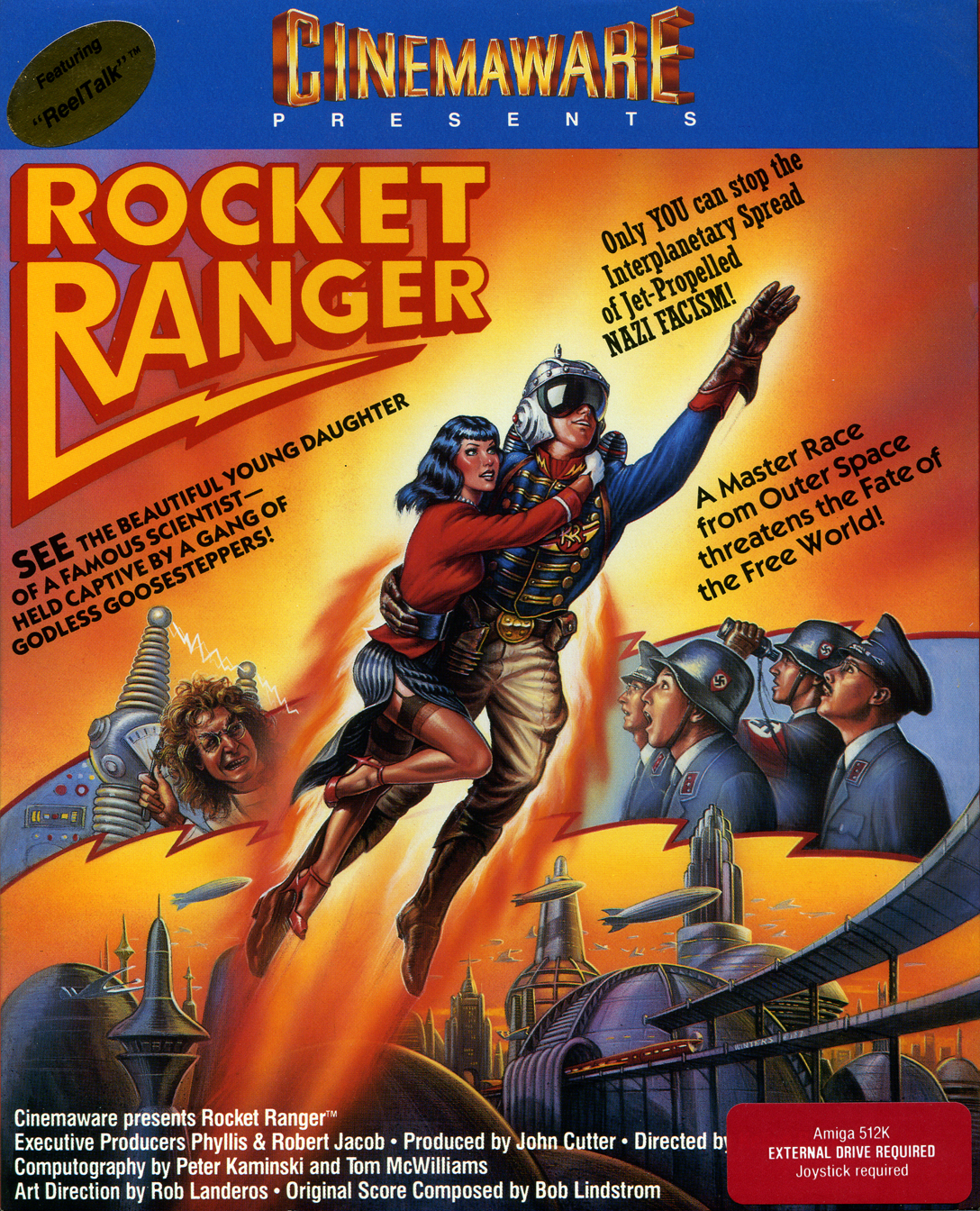
A message from the future, a rocket pack and a network of agents: saving the world requires map decisions and action trials. Lunarium and the decoder accompany each journey.
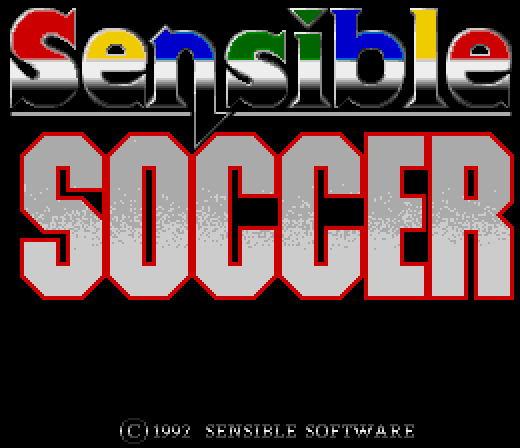
Alien Breed · AmigaSensible Soccer · AmigaLemmings · AmigaDune · AmigaThe Secret of Monkey Island · AmigaRocket Ranger · Amiga
The software houses to explore
Cinemaware and Delphine talk about two ideas of interactive cinema. Team17, The Bitmap Brothers, Psygnosis and Sensible Software showcase other languages from the same era. The Museum's rooms maintain distinct developers and publishers, with games and images to continue the journey.
Four channels doesn't mean just four notes for all music: instruments and samples can change throughout the composition. The choice of how to use them is part of the author's work.
The CD32 is not simply a CD player connected to an A500: it belongs to another stage of hardware and has specific editions of games.
The same adventure can have different music, palettes and details on Amiga and DOS. Keeping the platform in the captions helps you compare versions without swapping them.
Finding the Amiga again today
WinUAE emulates the operation of Amiga machines on Windows. A profile suited to your system model, memory, and version is more useful than a randomly chosen configuration. Our guide collects the starting steps and distinguishes the emulator from the components necessary to run a specific copy of the game.
ScummVM goes another route: it runs supported games through their engine, without running the whole machine. It therefore does not replace WinUAE for the entire Amiga catalog. Kickstart, Workbench and games do not automatically become free because the computer is historical. Amiga Forever offers an authorized path for system components; for each game it remains to identify its copy and its edition.
A photograph of your station, a hand-labeled disc, or a memory of a first game can add personal perspective. We do not invent testimonies: this part of the Museum can grow with real contributions, always distinguishing individual memory from historical reconstruction. The rooms and images already present are the starting point to rediscover those paths.
 EN ROUTE TO THE CARIBBEAN · SINCE 1999