 EN ROUTE TO THE CARIBBEAN · SINCE 1999
First appearance: 1982 · Last milestone / transition: 1994
History and identity
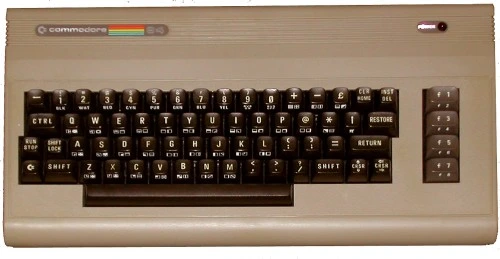
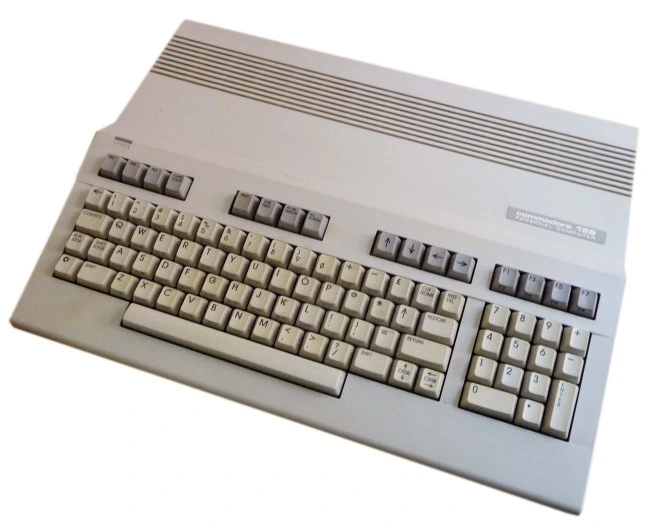
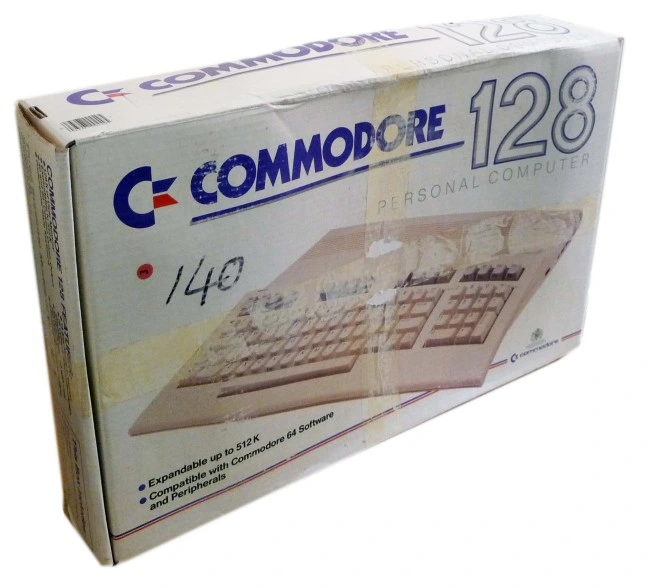
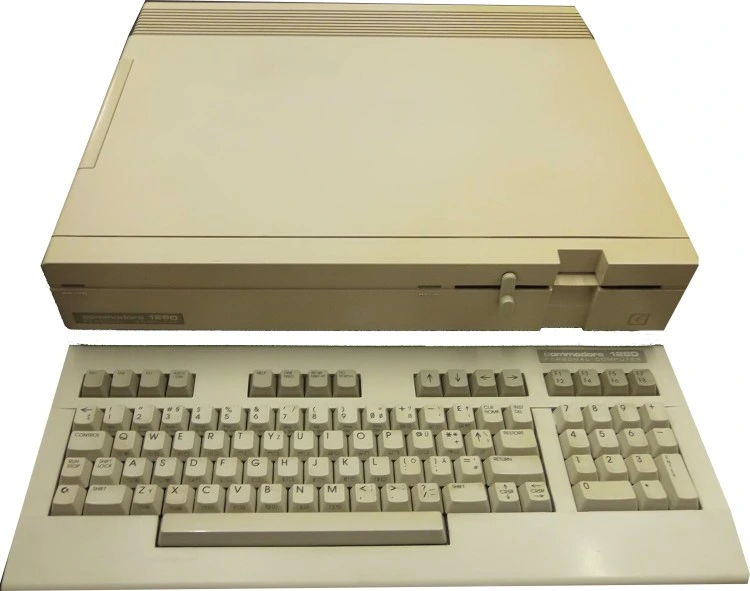
The C64 arrived in 1982 and joined a market in which computers were also tools for learning BASIC. Its long life created overlapping generations of players and programmers. The C128 followed in 1985, trying to preserve the established software library while offering additional memory and more capable working modes.
Inside the machine
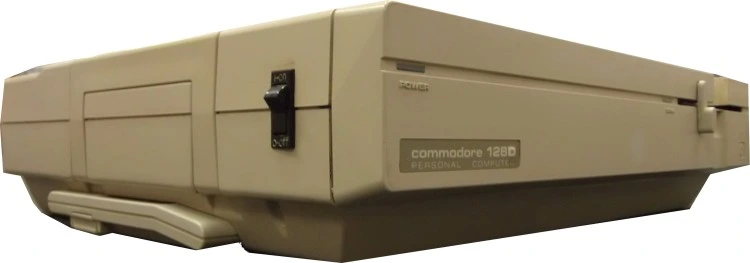
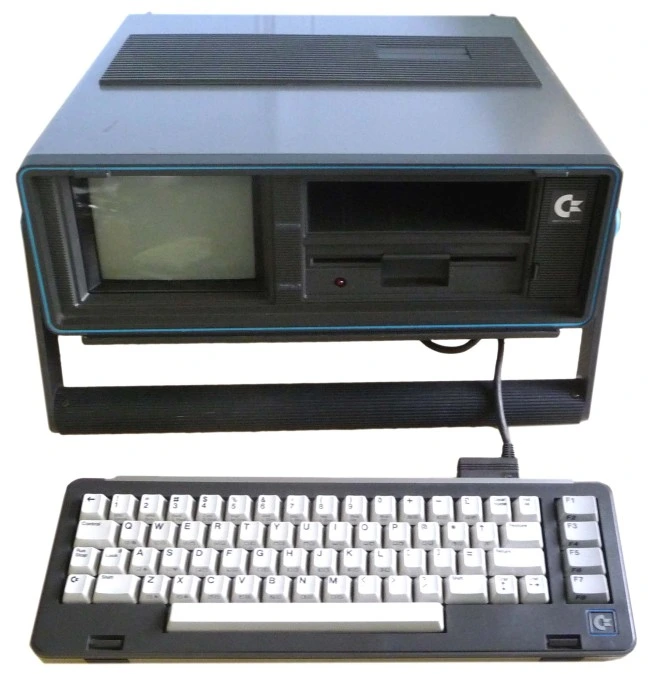
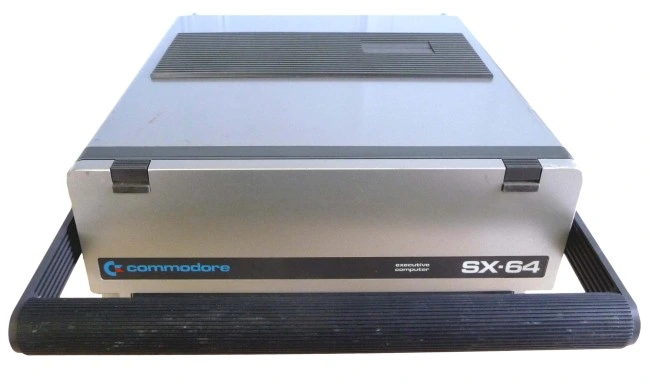
The C64 combines the MOS 6510 processor with VIC-II graphics and three SID voices. C128, C64 and CP/M modes are distinct; the C128’s 80-column display uses different video hardware. More RAM does not automatically turn a C64 game into a native C128 program. C64C, SX-64 and C128D also differ physically.
Games and culture
Cassette and disk shaped loading times, distribution and everyday habits. Maniac Mansion and Zak McKracken sit alongside action games, music programs and a remarkable demo culture. The machine’s identity includes what users created with it. Edition and storage requirements remain important when running a specific release.
Decline and legacy
Sixteen-bit computers, PCs and consoles gradually reduced the family’s commercial space. The original producer’s 1994 liquidation marks a major endpoint, although the C128 and individual configurations had their own production histories. VICE allows the distinct systems to be revisited today, alongside continuing work by preservation and demo communities.
Models and milestones
| Model / milestone | Year |
|---|---|
| Commodore 64 | 1982 |
| SX-64 | 1984 |
| Commodore 128 | 1985 |
| Commodore 64C | 1986 |
| Commodore 128D | 1980s |
The system in pictures