 EN ROUTE TO THE CARIBBEAN · SINCE 1999
First appearance: 1954 · Last milestone / transition: 1994
History and identity
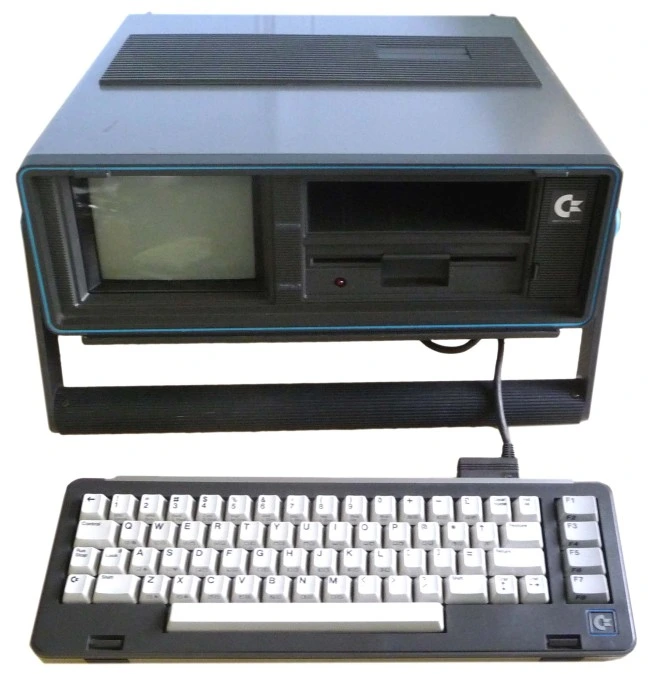
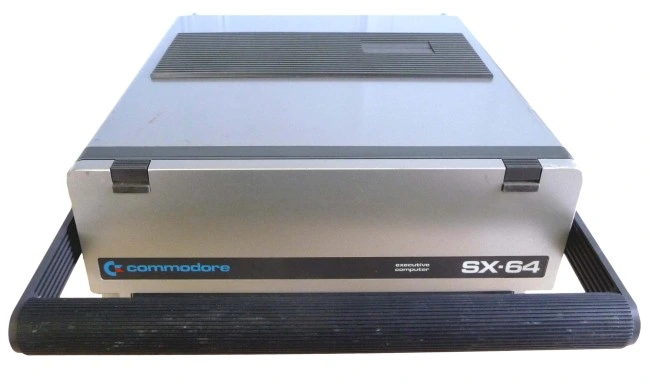
Commodore began in Toronto in 1954 with office equipment. Jack Tramiel’s company moved through calculators into computers. Buying MOS Technology in 1976 connected component design with manufacturing and pricing. PET, VIC-20 and C64 were distinct steps towards bringing computing to a wider public, rather than interchangeable names for one machine.
Inside the machine
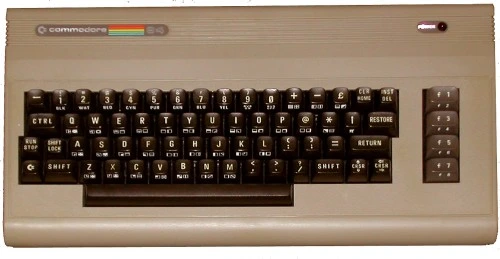
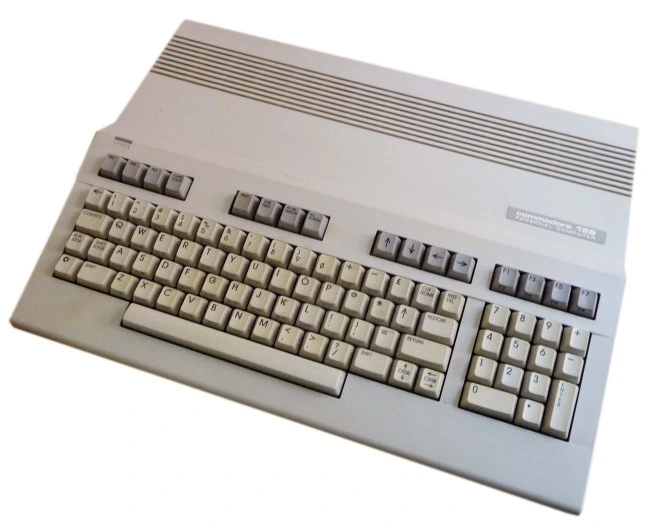
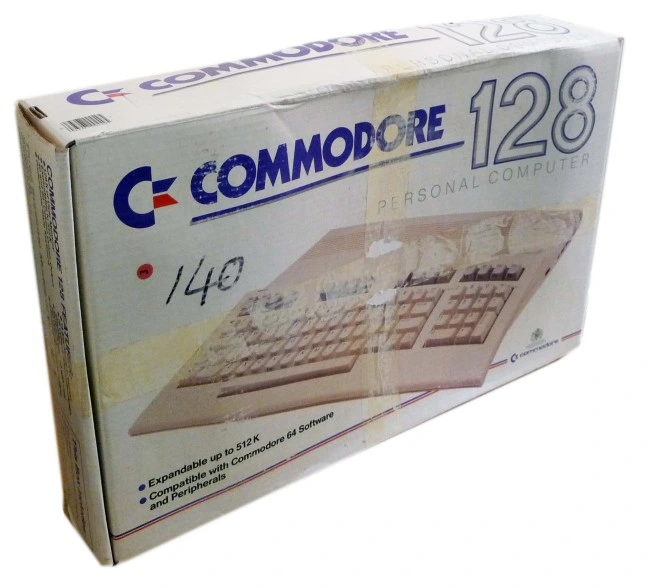
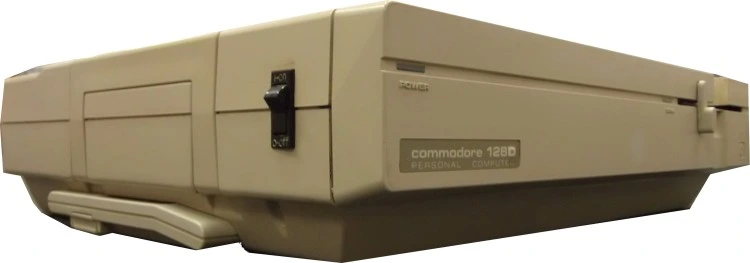
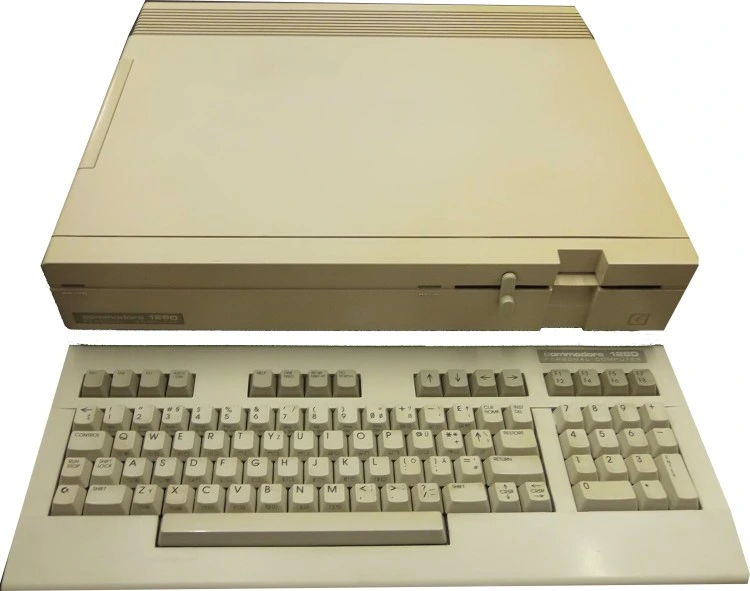
The PET combined screen and keyboard; the VIC-20 pursued an affordable home market. The C64’s VIC-II graphics and SID sound supported a long commercial life. The C128 added native and CP/M modes alongside C64 compatibility. Acquiring Amiga in 1984 introduced a separate 68000-based family, publicly launched in 1985.
Games and culture
Maniac Mansion and Zak McKracken demonstrate the importance of adventures on the C64. Amiga later developed a different audiovisual identity. Games, BASIC, music tools and demonstrations all contributed to the brand’s culture. Model names and architectures matter when comparing editions: an Amiga title is not automatically a C64 release.
Decline and legacy
Competition, uneven product strategy, stock and financial pressures accumulated as PCs and consoles changed the market. Commodore entered liquidation in 1994. The outcome should not be reduced to one game or a universal failure of the machines. Later ownership of trademarks and surviving user communities are separate from the original company’s industrial history.
Models and milestones
| Model / milestone | Year |
|---|---|
| PET | 1977 |
| VIC-20 | 1980–1981 |
| Commodore 64 | 1982 |
| Commodore 128 | 1985 |
| Amiga 1000 | 1985 |
The system in pictures