 EN ROUTE TO THE CARIBBEAN · SINCE 1999
Behind the pirate myth
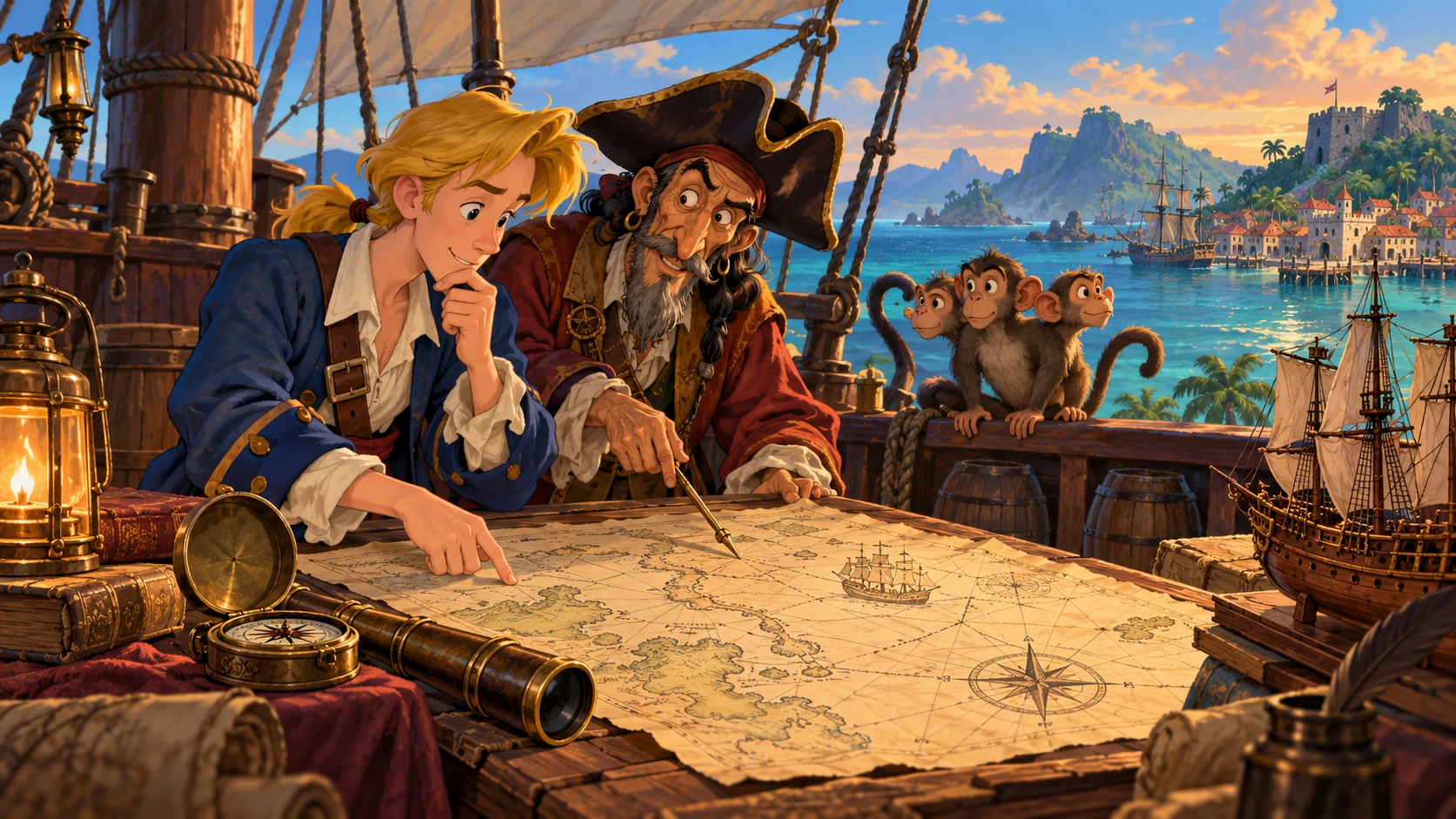
The black sails and treasures of adventure stories tap into a more complex reality. Piracy does not belong to a single sea or a single era; However, the Caribbean between the seventeenth and eighteenth centuries is one of the scenarios that has most profoundly marked the Western imagination.
Pirates, privateers and buccaneers
The pirate was acting outside state authority. The corsair instead had authorization to strike enemy shipping: an important distinction, even if in practice the borders could change with wars and alliances. In the Caribbean the term buccaneer was initially linked to hunters who smoked meat, before also passing to men dedicated to sea raids.
The Caribbean routes
Islands, ports, and colonial trade created opportunities for smuggling, assaults, and rivalries between European powers. Tortuga and Port Royal are names that entered the news and then fiction. Their stories must be read within the history of colonies and trade, not as a world separated from its violence.
The life of the crew
Some crews established rules for the distribution of spoils, the authority of the captain, and compensation for injuries. However, there was no single code valid for everyone. Even the image of pirates as always egalitarian or liberators of slaves is a simplification: piracy was intertwined with slavery and exploitation, as well as with the conflicts of its time.
From the story to Monkey Island
Guybrush's world transforms this repertoire into a fantastic comedy: taverns, governors, duels and superstitions coexist with vending machines and jokes about the modern world. The pleasure of the game also arises from this distance: knowing the history helps to recognize what the saga reinvents.
Learn more: Royal Museums Greenwich · Pirates.