Explore U.S. Gold: its history, distinctive games, images and details worth discovering in the Museum.
The history of the house
U.S. Gold above all tells the story of a publisher and distributor. The brand brings American games and arcade conversions to European computers, working with different groups. One U.S. pack Gold therefore does not identify a single team of programmers. To understand each game you need to follow the original work, conversion study, publisher and platform of the specific edition.
Games to start with
U.S. Gold
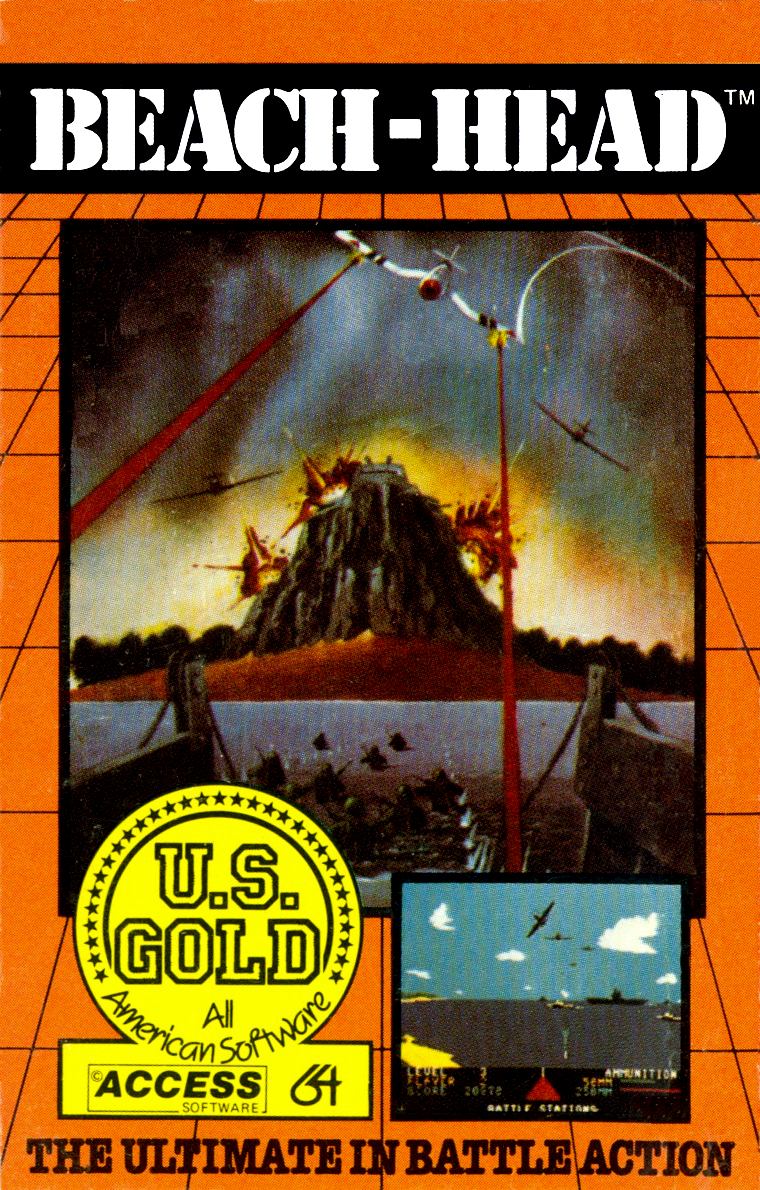
Beach Head
The campaign alternates military trials with different views and controls. The situation changes, and the player must again understand how to read targets and dangers. The game's European journey is also a window into the role of publishers in importing American hits.
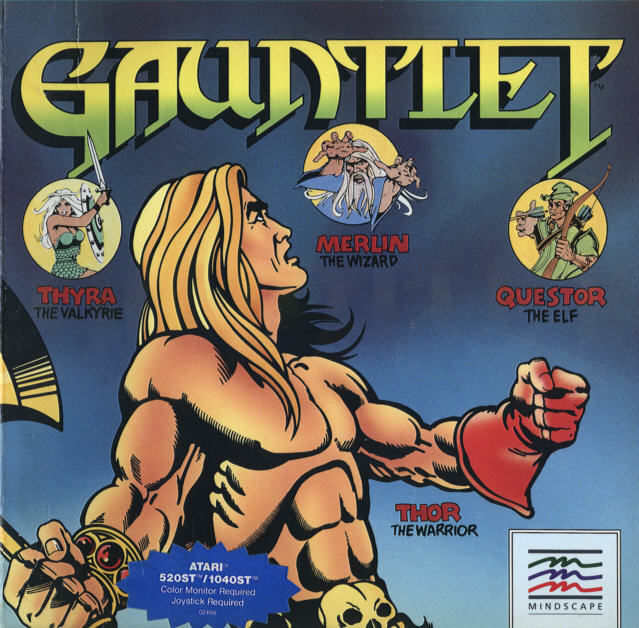
The labyrinth offers groups of enemies, exits and resources to reach. The choice of character modifies ability and resistance; shared play changes space management. Atari Games' arcade work must be distinguished from its numerous domestic conversions.
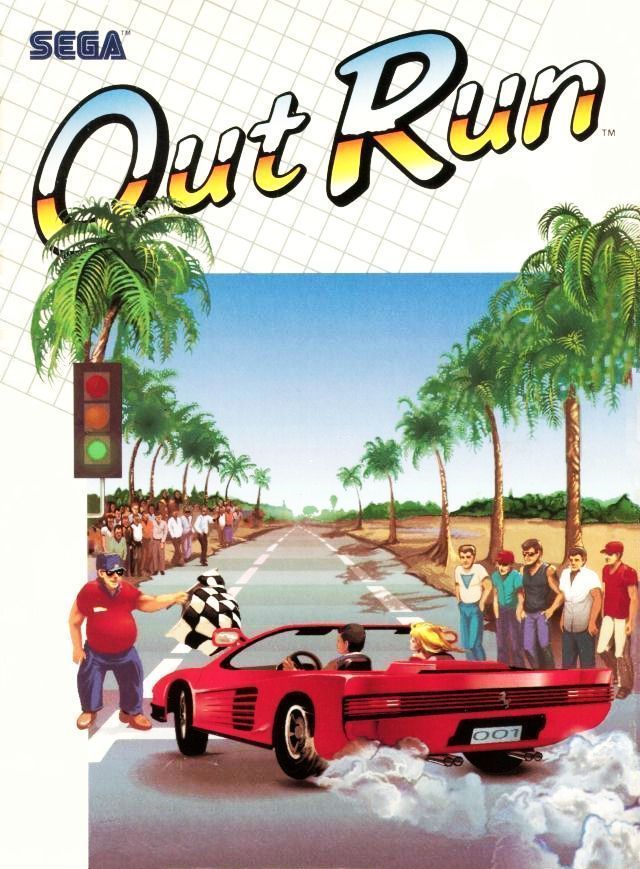
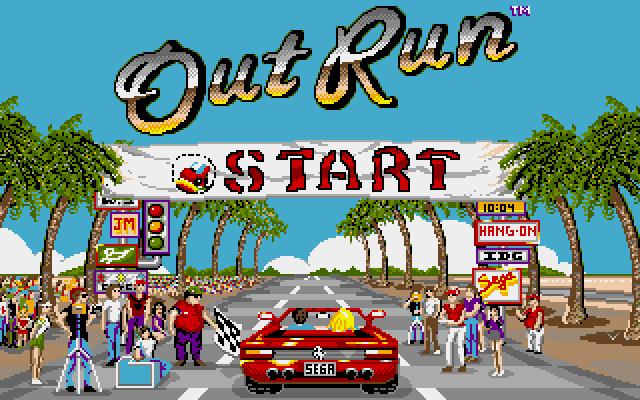
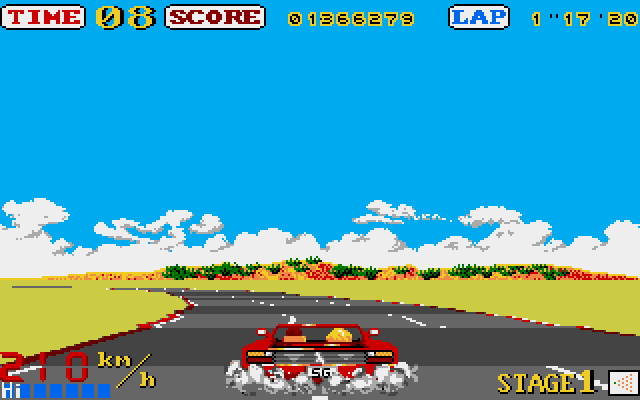
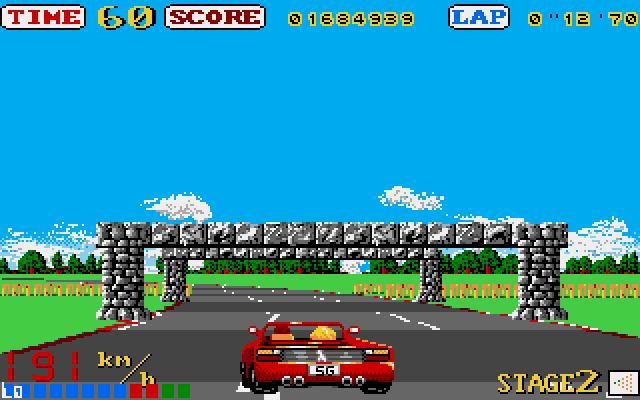
The race offers a journey marked by time, traffic and choice of route. Home conversions reinterpret the Sega original with different technical possibilities. Comparing visuals, fluidity and controls is more useful than treating them as just one interchangeable version.
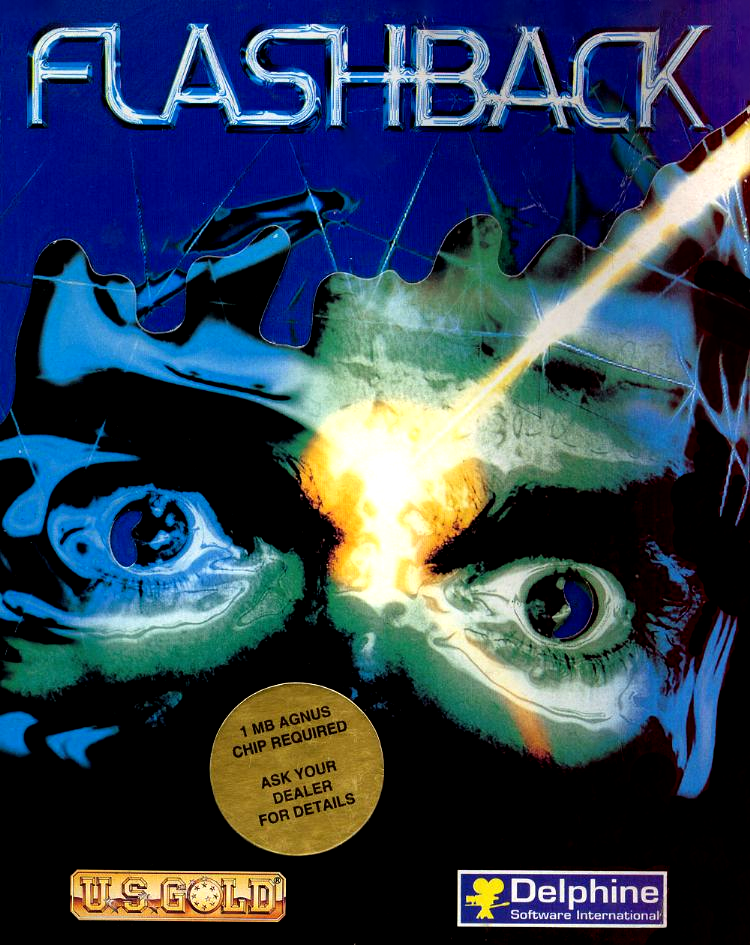
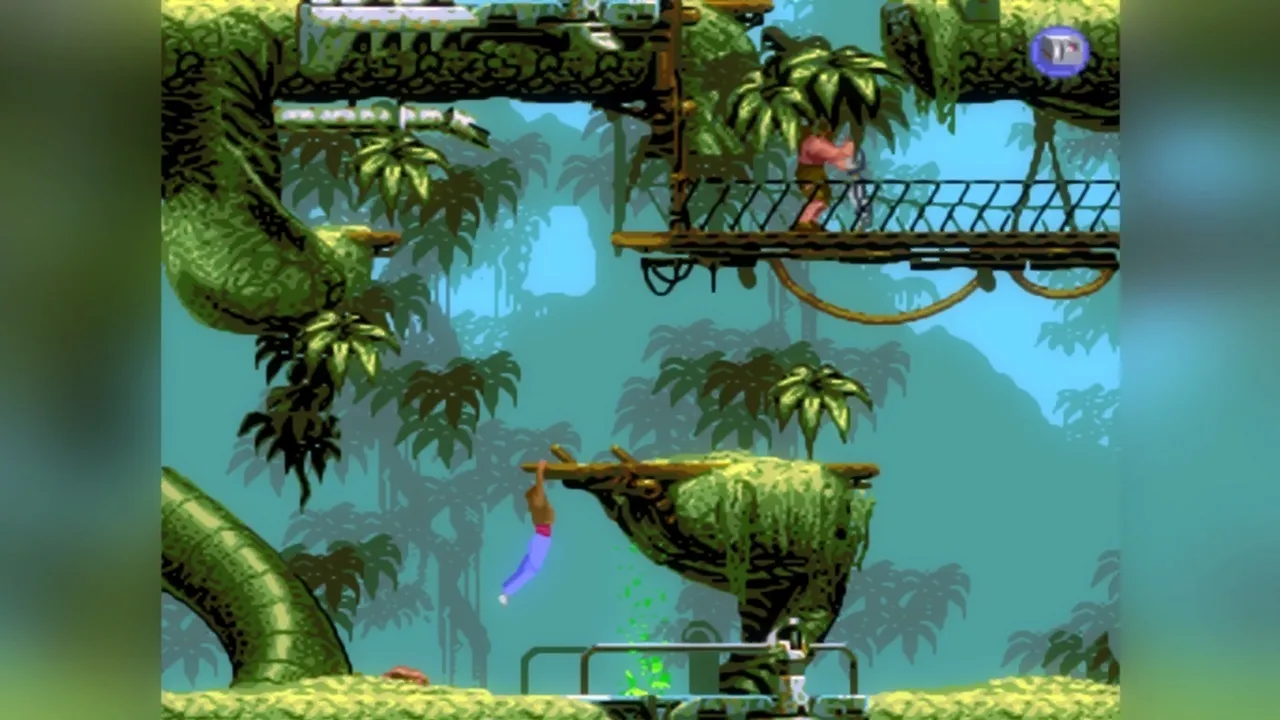
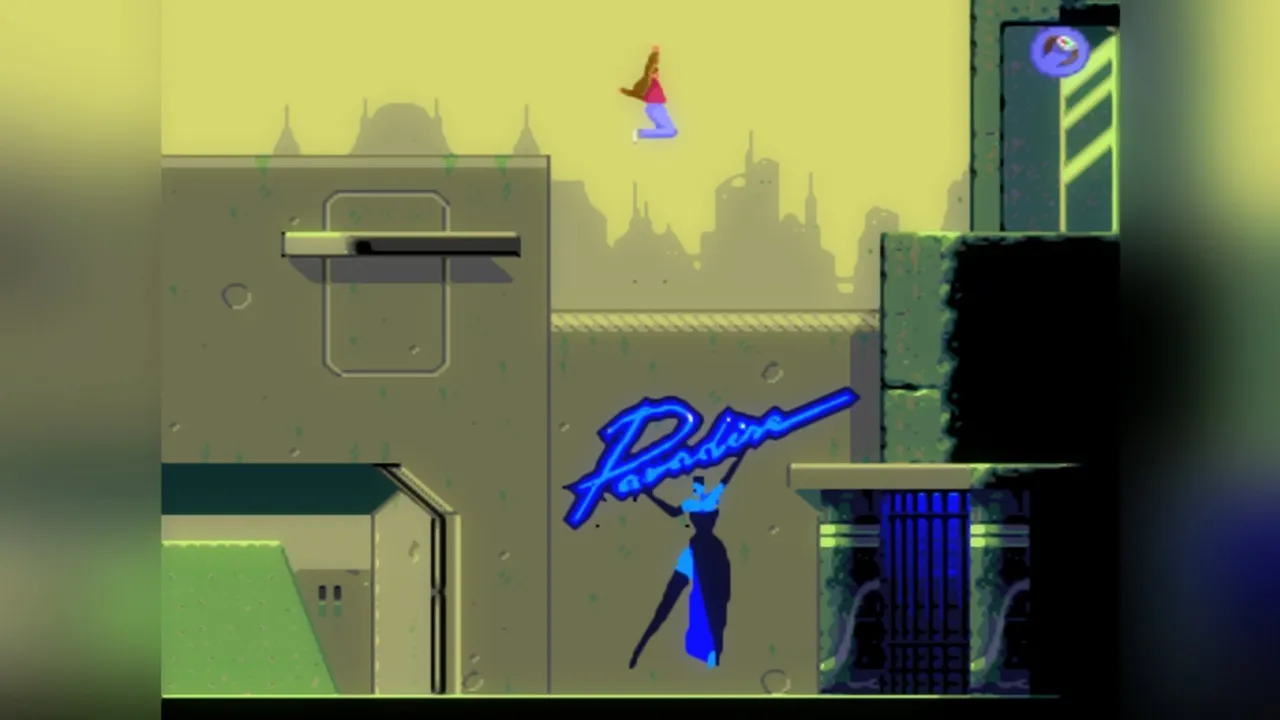
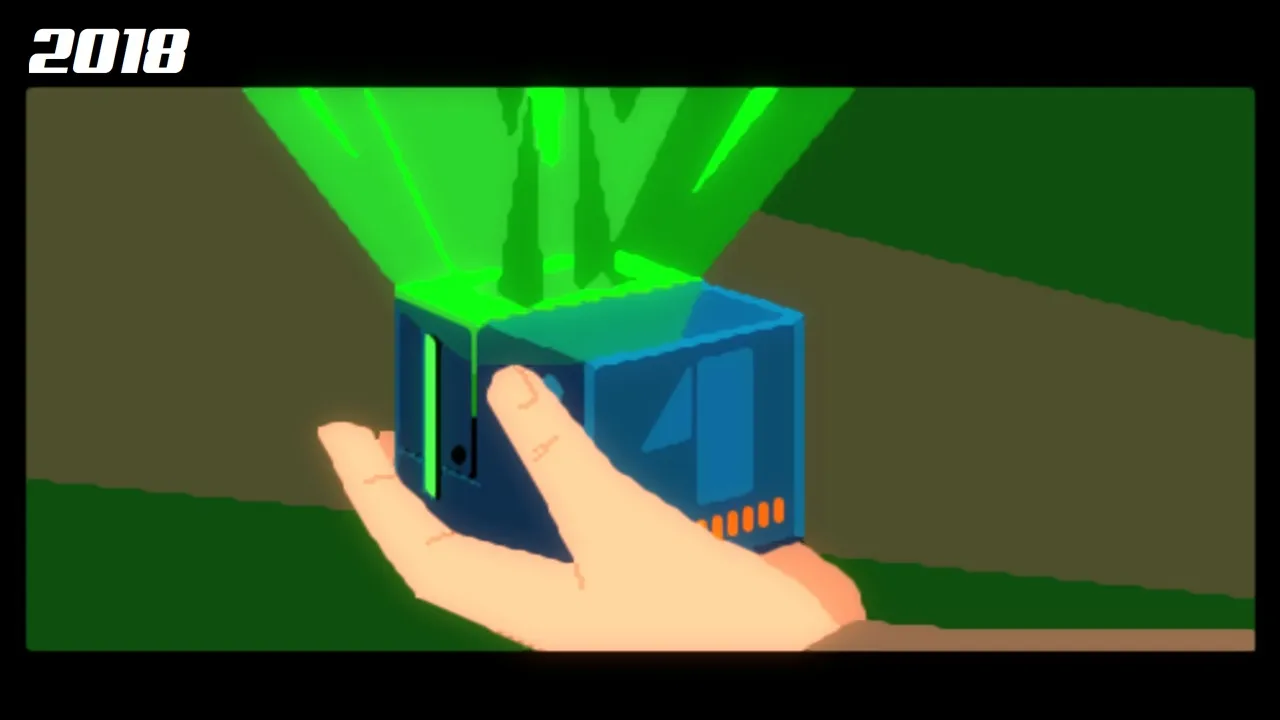
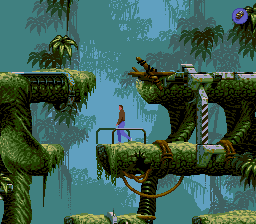
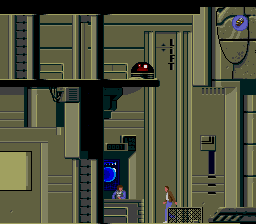
Conrad Hart rebuilds his identity through exploration, conversation, and action. Jumps, holds and fights ask you to consider the movement of the body and the layout of the rooms. The editorial connection with U.S. Gold does not replace Delphine development.
Porting a game to another computer means rethinking controls, colors, sound and fluidity. The differences between versions are part of the story and should not be hidden behind a single image.
Worth knowing
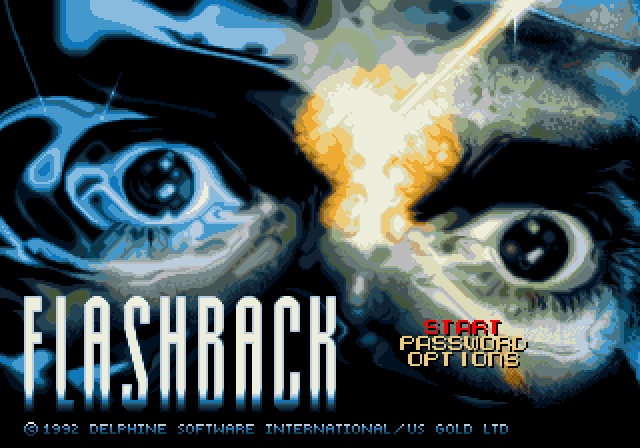
Flashback connects this room to Delphine: the game is developed by Delphine, while U.S. Gold appears in his editorial path.
Images and packaging
Images show the stated editions; ports and reissues may look different from the original.
Beach Head
The campaign alternates military trials with different views and controls. The situation changes, and the player must again understand how to read targets and dangers. The game's European journey is also a window into the role of publishers in importing American hits.
Commodore 64
Gauntlet
The labyrinth offers groups of enemies, exits and resources to reach. The choice of character modifies ability and resistance; shared play changes space management. Atari Games' arcade work must be distinguished from its numerous domestic conversions.
Amiga
Out Run
The race offers a journey marked by time, traffic and choice of route. Home conversions reinterpret the Sega original with different technical possibilities. Comparing visuals, fluidity and controls is more useful than treating them as just one interchangeable version.
AmigaAmigaAmigaAmiga
Flashback
Conrad Hart rebuilds his identity through exploration, conversation, and action. Jumps, holds and fights ask you to consider the movement of the body and the layout of the rooms. The editorial connection with U.S. Gold does not replace Delphine development.
Edition shown in the linked profileEdition shown in the linked profileEdition shown in the linked profileAmigaAmigaAmigaAmiga
Logos, covers and game images belong to their respective rights holders.
How to find them today
To play, look for a copy distributed by the owners or an original edition that you own. The emulator recreates a machine: it does not automatically include games or make their copies free.
 EN ROUTE TO THE CARIBBEAN · SINCE 1999