 EN ROUTE TO THE CARIBBEAN · SINCE 1999
First appearance: 1982 · Last milestone / transition: 1992
History and identity
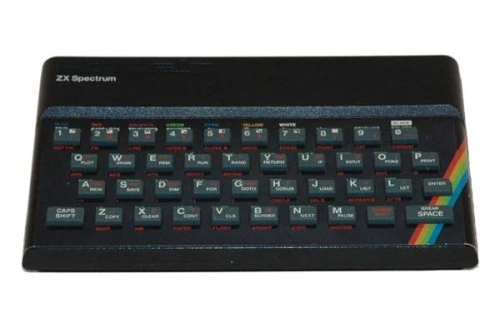
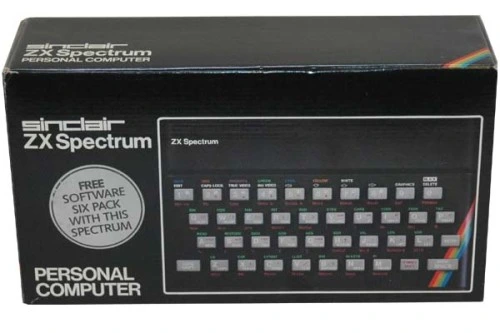
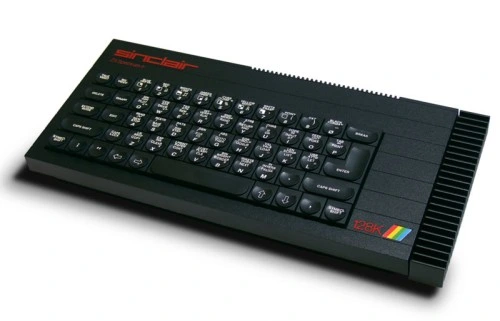
The Spectrum launched in 1982 after Sinclair’s earlier low-cost computers. The first 16K and 48K versions made colour home computing accessible and invited users to type BASIC as well as load games. The familiar rubber keyboard belongs to particular models; later cases and keyboards changed the physical experience.
Inside the machine
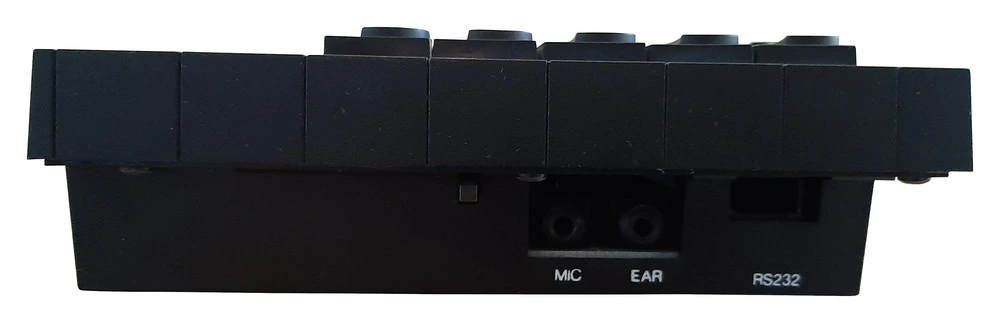
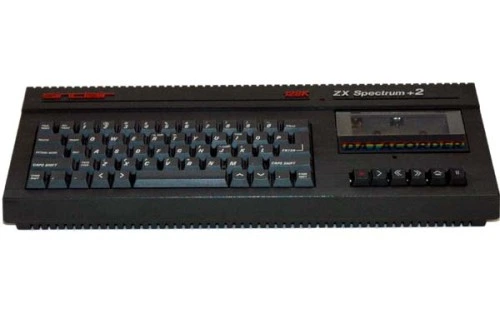
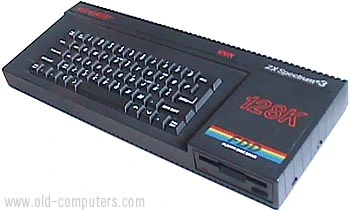
Its 256 by 192 display separates pixel shapes from colour attributes assigned to small cells. Attribute clash is one consequence, and programmers developed visual techniques around it. The 128K machine added AY sound and memory. Cassette, +2 recorder and +3 three-inch disk configurations are important differences when identifying photographs and software.
Games and culture
Manic Miner, Jet Set Willy, Knight Lore, text adventures and Ocean’s conversions show several identities within the same platform. Magazines and type-in programs supported a large creative ecosystem. Limits encouraged carefully chosen shapes and movement, rather than dictating one identical monochrome style for every game.
Decline and legacy
Amstrad acquired Sinclair’s computer business in 1986 and continued the Spectrum line. Production of the historical family ended in the early 1990s, with 1992 an endpoint for the Amstrad era. This was not the simultaneous disappearance of its software culture. Fuse and modern preservation projects should be distinguished from original 1982 hardware.
Models and milestones
| Model / milestone | Year |
|---|---|
| ZX Spectrum 16K / 48K | 1982 |
| ZX Spectrum+ | 1984 |
| ZX Spectrum 128 | 1985–1986 |
| ZX Spectrum +2 | 1986 |
| ZX Spectrum +3 | 1987 |
The system in pictures