 EN ROUTE TO THE CARIBBEAN · SINCE 1999
First appearance: 1983 · Historical route without a single end date
History and identity
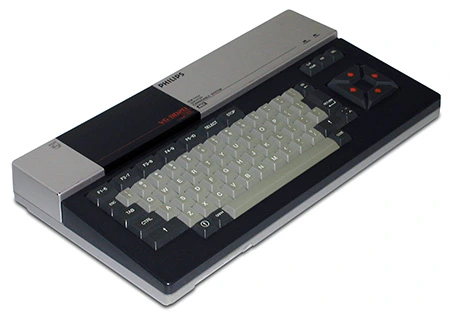
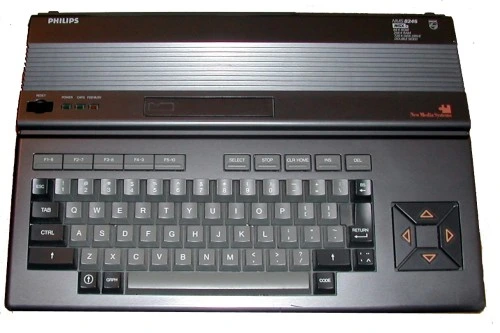
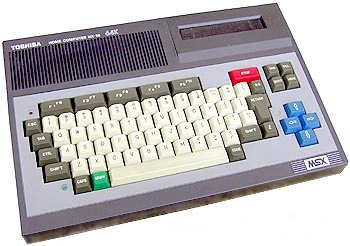
MSX began in 1983 as an attempt to bring compatibility to home computing. ASCII, Microsoft and Kazuhiko Nishi were involved alongside the manufacturers. Sony, Philips and Toshiba supplied different machines within shared specifications. MSX therefore names a standard and ecosystem, not a single company with one universal date of bankruptcy.
Inside the machine
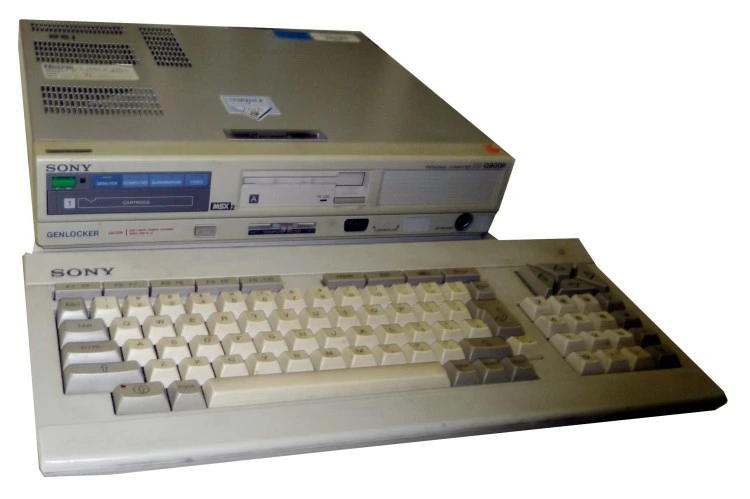
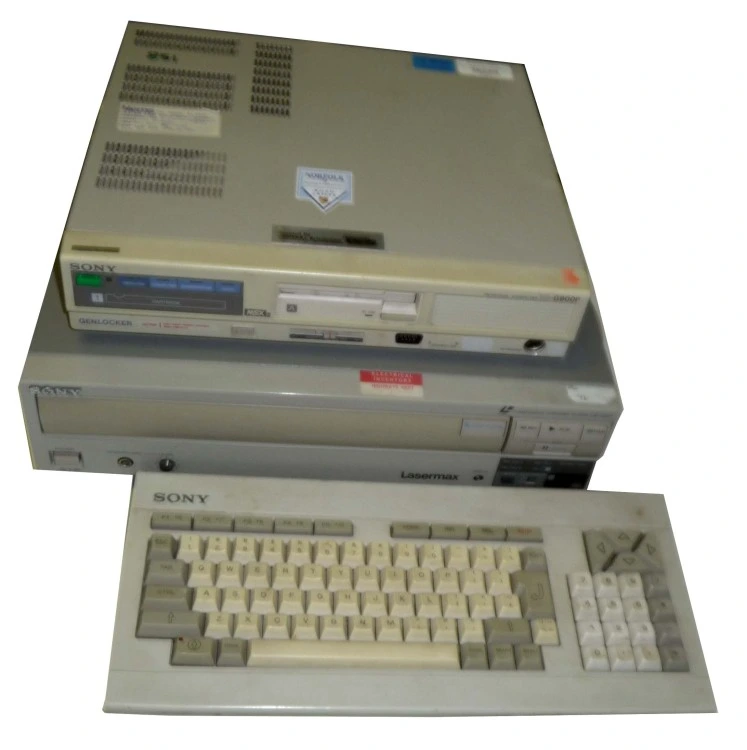
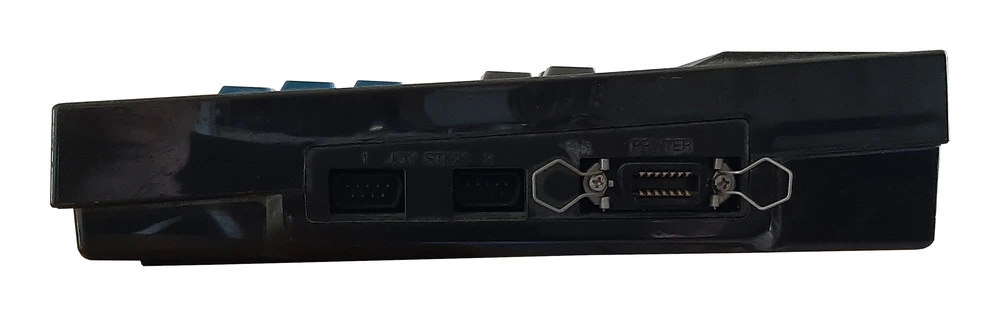
Early systems combine Z80 processing, BASIC and cartridge slots. Memory, slot arrangements and peripherals can still differ. MSX2 in 1985 expands the graphics possibilities; later MSX2+ and turbo R are separate generations. Model identification is essential: an MSX1 photograph must not become an MSX2 illustration merely because both carry the same family name.
Games and culture
Konami’s cartridges and games helped define the platform, while Metal Gear and Metal Gear 2: Solid Snake belong specifically to MSX2. Japan, the Netherlands, Spain and Brazil developed different hardware and distribution traditions. Cartridges could also add functions, including sound hardware, so the program’s requirements matter as much as the manufacturer’s badge.
Decline and legacy
Consoles and more powerful PCs reduced the space for a compatible eight-bit home standard, and later generations had uneven international reach. Manufacturers withdrew along separate paths; the community did not vanish at one corporate closing. openMSX preserves many configurations and makes their differences visible. The linked emulator is separate from any commercial games or system-ROM collection.
Models and milestones
| Model / milestone | Year |
|---|---|
| MSX | 1983 |
| MSX2 | 1985 |
| MSX2+ | 1988 |
| MSX turbo R | 1990 |
The system in pictures