 EN ROUTE TO THE CARIBBEAN · SINCE 1999
First appearance: 1987 · Last milestone / transition: 1998
History and identity
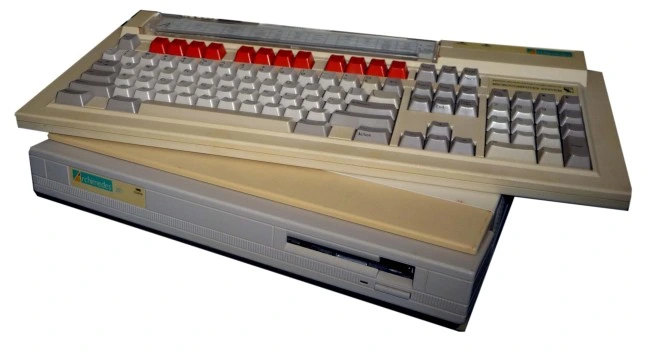
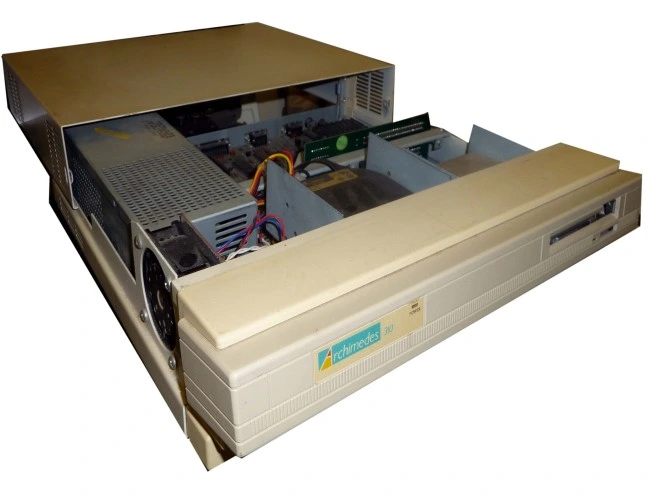
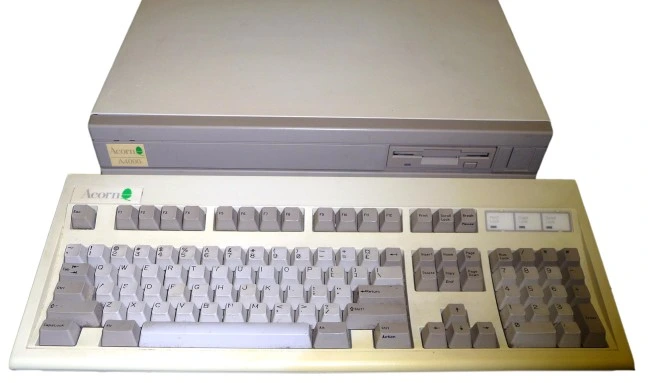
Archimedes arrived in 1987 after Acorn’s BBC Micro experience and its development of ARM processors. This was a different architectural route from contemporary 68000 systems. A305 and A310 began a family later including A3000 and A4000 designs, serving education, applications and games rather than only a home entertainment market.
Inside the machine
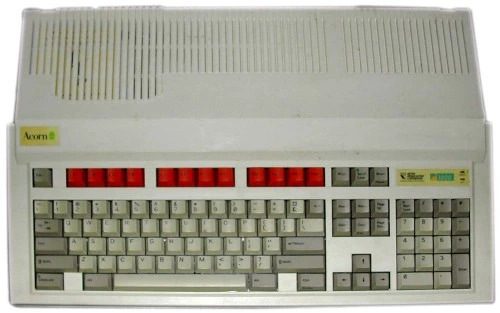
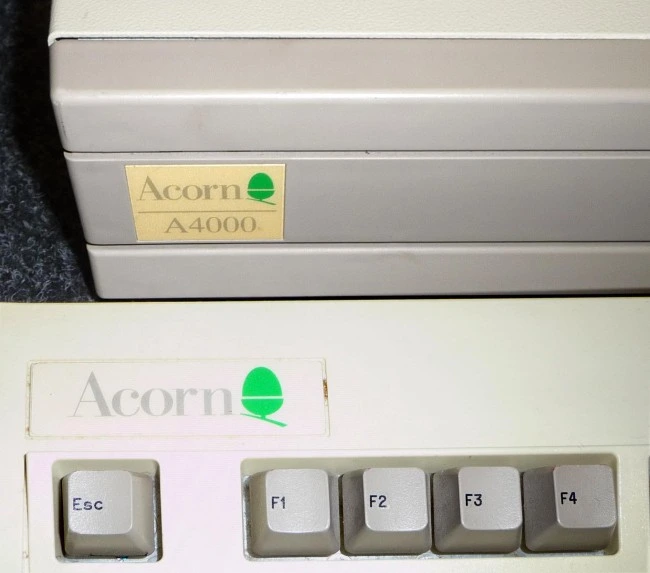
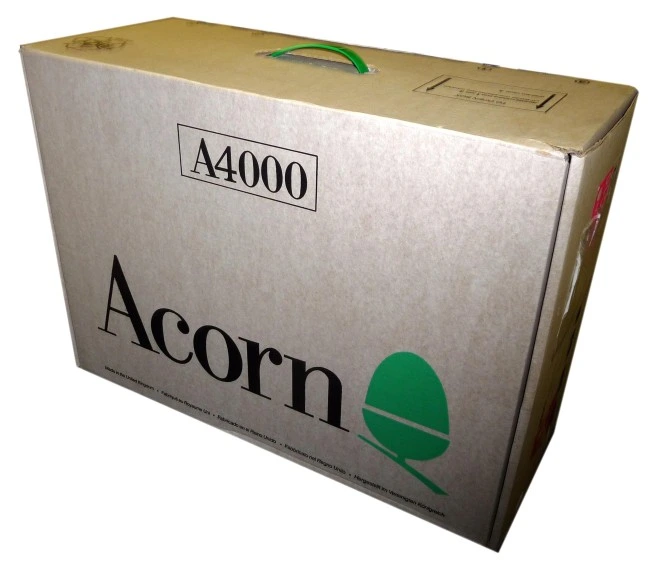
The first machines used Arthur, followed by RISC OS. The graphical environment and three-button mouse formed habits distinct from Amiga, ST and PC. Case, keyboard and ports changed between models. A photograph of an accessory or serial label is evidence about an object, not automatically a complete view of the computer.
Games and culture
Zarch, known on other platforms as Virus, demonstrated the early graphical potential. A smaller commercial audience shaped the number and distribution of games, including productions associated with The Fourth Dimension. BBC Micro history and Elite are related parts of Acorn’s heritage, but their architecture should not be silently substituted for Archimedes.
Decline and legacy
ARM became a separate company in 1990 with Acorn, Apple and VLSI involvement. Acorn’s 1998 restructuring belongs to another part of the story and does not mean ARM failed. PC competition and the costs of a distinct ecosystem limited the desktop line. Arculator revisits the Archimedes family, whose wider technological legacy outlasted its commercial prominence.
Models and milestones
| Model / milestone | Year |
|---|---|
| Archimedes A305 / A310 | 1987 |
| Acorn A3000 | 1989 |
| Acorn A4000 | 1992 |
| ARM Ltd | 1990 |
The system in pictures