 EN ROUTE TO THE CARIBBEAN · SINCE 1999
First appearance: 1984 · Historical route without a single end date
History and identity
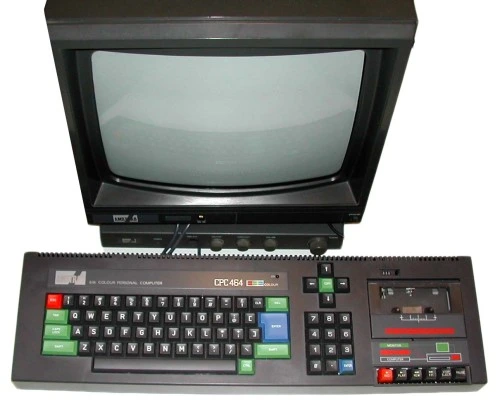
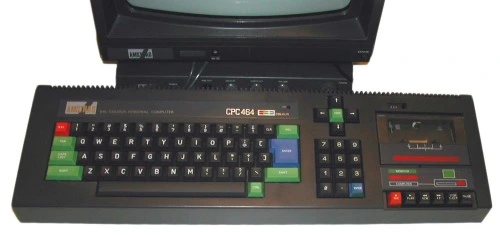
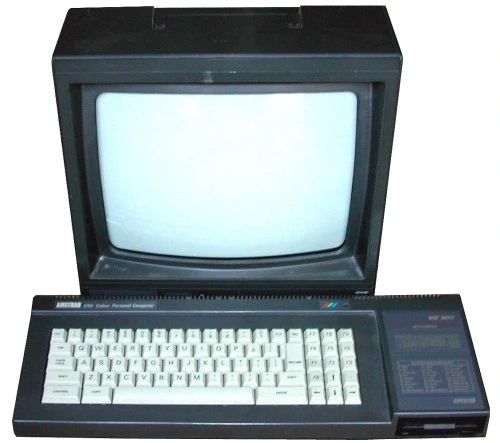
The CPC 464 launched in 1984 as a complete home system with an integrated cassette recorder and a supplied monitor. Colour and green-screen configurations created different memories of the same platform. Bundling reduced the uncertainty of connecting a computer to an existing television and became part of Amstrad’s practical appeal.
Inside the machine
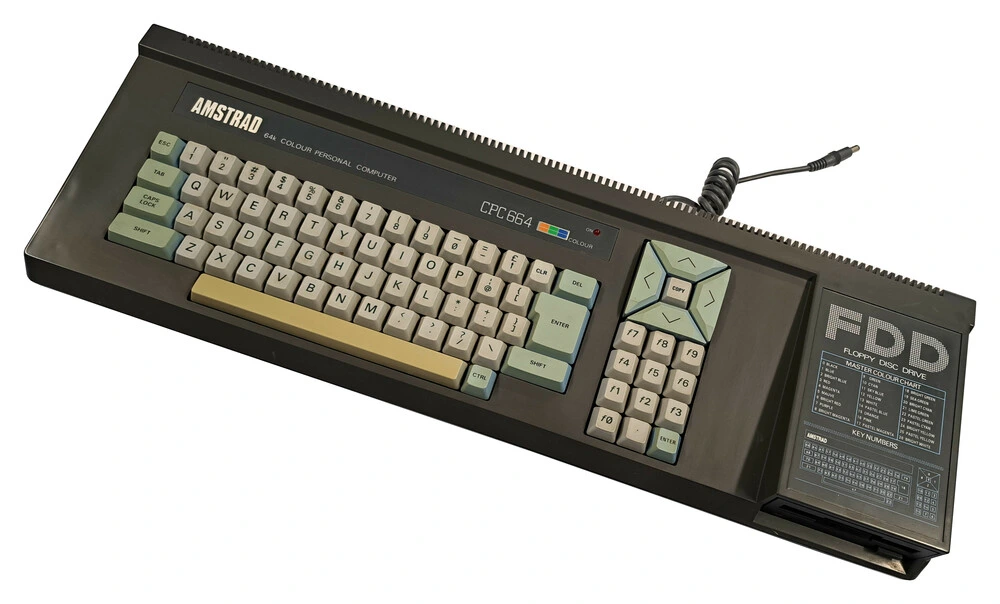
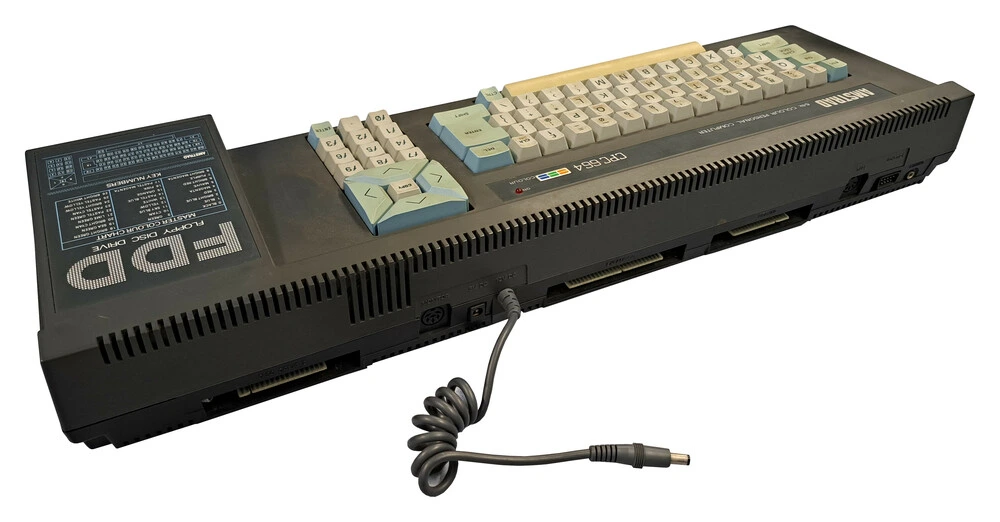
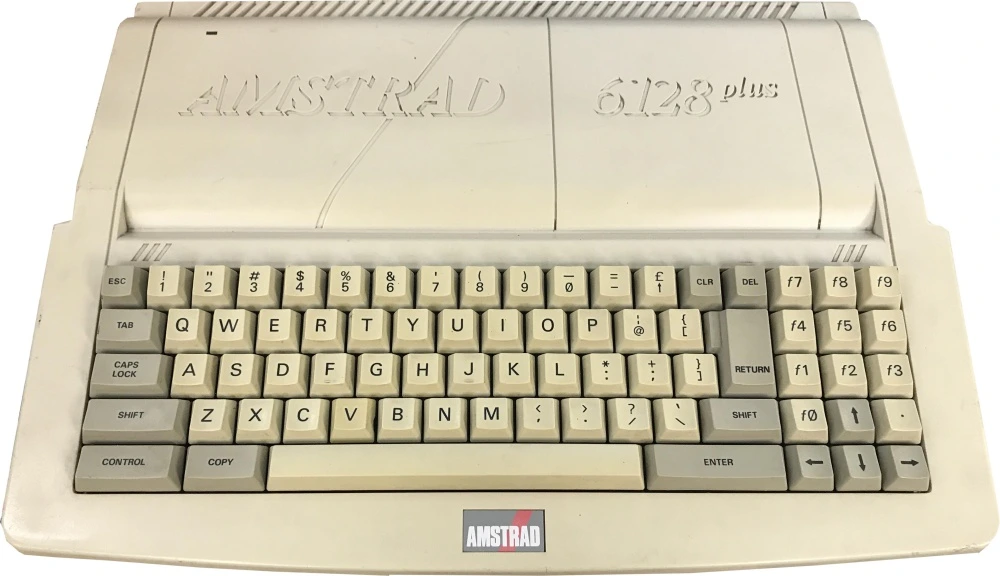
The Z80-based system offers graphics modes balancing resolution and colour, Locomotive BASIC and AY sound. The 664 and 6128 integrate three-inch disk drives, a different format from three-and-a-half-inch disks. The 6128’s additional RAM does not mean every game uses it. The Plus family adds capabilities absent from the original CPC.
Games and culture
The CPC developed particularly strong cultures in France, Spain and Britain. Arcade conversions, adventures and programming tools took different approaches to its palette. Ocean and Infogrames connect it with the wider museum. Comparisons benefit from examining equivalent scenes and the work done on each version, rather than treating every conversion as the same program.
Decline and legacy
The 1990 Plus relaunch and GX4000 faced a market increasingly oriented towards PCs, consoles and sixteen-bit computers. The platform’s decline is not a single Amstrad bankruptcy date. Models and countries followed different timelines. Caprice32 allows those configurations and their storage choices to be revisited without confusing modern emulation with the historical machine.
Models and milestones
| Model / milestone | Year |
|---|---|
| CPC 464 | 1984 |
| CPC 664 | 1985 |
| CPC 6128 | 1985 |
| 464 Plus / 6128 Plus | 1990 |
| GX4000 | 1990 |
The system in pictures